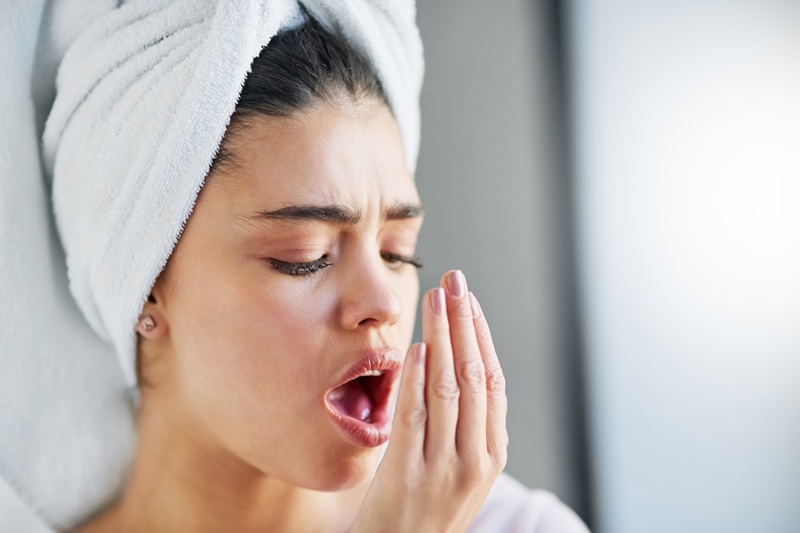
Almost everyone wakes up with less-than-fresh breath from time to time. That is completely normal. But when the problem sticks around all day, or comes back no matter how much you brush, some people may be concerned about it, which affects their confidence and social life.
The good news is that bad breath is common and can be treated, even with at-home remedies.
The key is finding the cause. Once you know what is driving the smell, getting rid of it becomes far more straightforward. Here is what your dentist wants you to know.
What Causes Bad Breath?
Understanding the bad breath causes at play is the first step to fixing the problem. Bad breath, medically known as halitosis, most often starts in the mouth itself.
According to Victoria’s Better Health Channel, halitosis is mostly caused by sulphur-producing bacteria that naturally live on the tongue and in the throat. When these bacteria break down proteins, they release smelly gases called volatile sulphur compounds. These compounds are what give bad breath its distinctive odour.
The most common contributors to what causes bad breath may include:
- Poor oral hygiene, which lets bacteria and food particles build up
- A coated tongue, where bacteria collect on the rough surface at the back
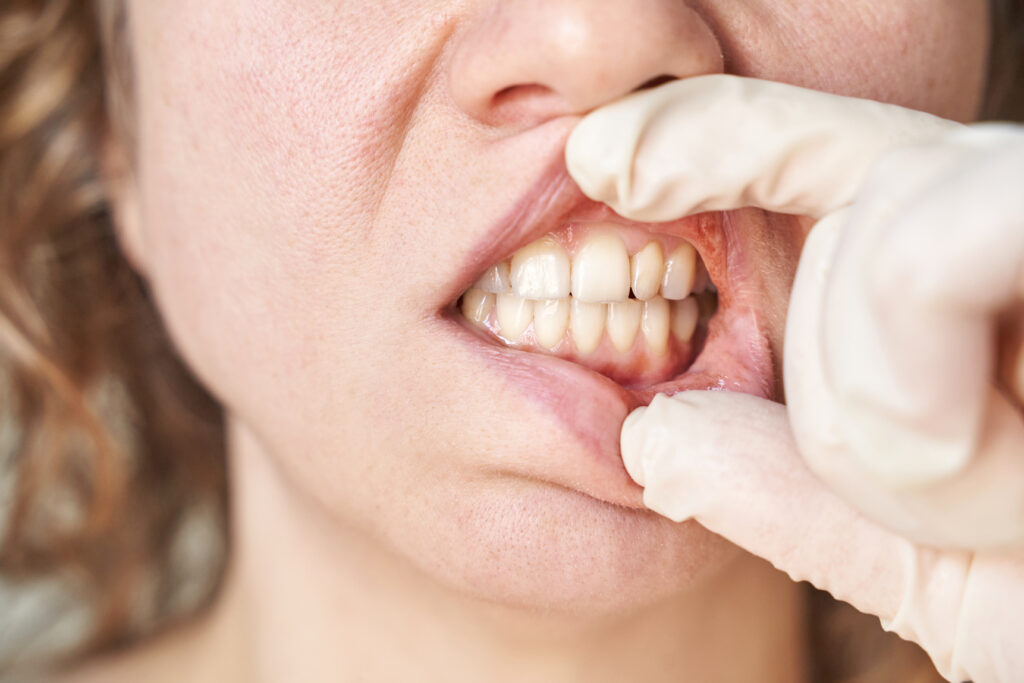
- Gum disease, an infection in the gums that creates persistent odour
- Dry mouth, since saliva normally helps wash bacteria away
- Smoking, which dries the mouth and adds its own lingering smell
- Certain foods, such as garlic, onion, and coffee
Why Does My Breath Smell Bad Even After Brushing?
This is one of the most common questions our dentists hear, and the answer usually comes down to the tongue. Brushing your teeth cleans the tooth surfaces, but it often misses the back of the tongue, where most odour-causing bacteria actually live.
If you brush well but still notice a smell, a few things could be going on:
- You are skipping your tongue. Gently cleaning the back of the tongue with a scraper or brush can make a big difference.
- You are not flossing. Food trapped between teeth feeds the bacteria that cause odour.
- You have gum disease. Bacteria below the gumline are hard to reach with brushing alone.
- Your mouth is dry. Without enough saliva, bacteria multiply more easily overnight.
In short, fresh breath depends on your whole mouth, not just your teeth. A thorough check-up and clean can remove the hardened plaque and bacteria that home brushing simply cannot shift.
Bad Breath From the Gut or Stomach: Is It Real?
Many people assume their bad breath comes from deeper down, and it is a fair question. So is bad breath from the stomach or bad breath from the gut actually a thing?
The honest answer is that it is far less common than most people think. The large majority of halitosis starts in the mouth, not the digestive system. That said, some medical conditions can play a role. Ongoing reflux, certain infections, and some illnesses affecting the sinuses, throat, or body can contribute to breath odour.
This is why the source of the smell matters so much. If your mouth is healthy and the problem persists, your dentist may suggest checking in with your GP to rule out other causes.
How to Get Rid of Bad Breath at Home
For most people, a few consistent habits are all it takes. If you are wondering how to get rid of bad breath day to day, these bad breath remedies at home are a solid starting point:
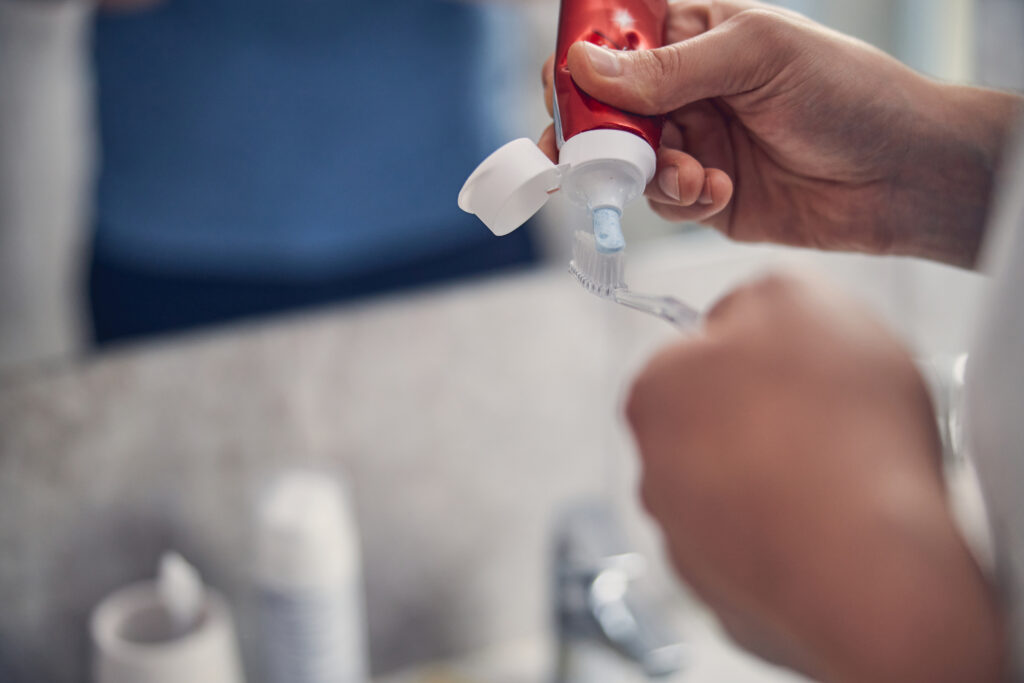
- Brush twice a day with a fluoride toothpaste, for a full two minutes
- Clean your tongue gently each day, right to the back
- Floss daily to clear food and bacteria from between teeth
- Stay hydrated, since water helps keep saliva flowing
- Limit strong-smelling foods, along with coffee and alcohol
- Rinse with an antibacterial mouthrinse, which can help as an extra step rather than a replacement for brushing
Keep in mind that mints and gum only mask the smell for a short while. They do not tackle the bacteria causing it.
How to Get Rid of Bad Breath Permanently
If you have tried all the usual steps and the problem keeps returning, you may be dealing with chronic bad breath. Persistent odour is often a sign of something a home routine cannot fix on its own, such as gum disease, a buildup of hardened plaque, or an untreated cavity.
Working out how to get rid of bad breath permanently means treating that underlying cause, not just covering the symptom. Your dentist can:
- Perform a professional clean to remove plaque and tartar
- Check for and treat gum disease or decay
- Assess whether dry mouth is contributing
- Rule out other sources, like tonsil stones or reflux
Ongoing, unexplained bad breath is always worth having looked at. It is one of the clearest signals your mouth is trying to send you.
Fresh Breath Starts With a Healthy Mouth
Bad breath may concern many people, but it is rarely something you have to live with. In almost every case, it can be improved once the cause is found and addressed, and that starts with a healthy, well-cared-for mouth.
If bad breath has been bothering you and you want to be guided by a dentist, a dental check-up and clean may help give your whole mouth a refresh. When in or around Crows Nest, NSW, our friendly team at MySolutions Dental Clinic can help you and support you towards fresher breath.
Book a check-up with our team to know more.
Disclaimer: The information written in this blog is general in nature and should not replace personalised dental advice. Please speak with a qualified dentist for an assessment.
Frequently Asked Questions
What is the most common cause of bad breath?
Most bad breath starts in the mouth, usually from bacteria on the tongue and between the teeth. Poor oral hygiene, a coated tongue, and gum disease are among the most common causes.
Can bad breath really come from the stomach?
It is possible but uncommon. The large majority of bad breath begins in the mouth. If your mouth is healthy and the problem continues, it is worth checking with your dentist or GP for other causes.
Why do I still have bad breath after brushing?
Brushing often misses the back of the tongue, where most odour-causing bacteria live. Cleaning your tongue, flossing daily, and treating any gum issues usually help.
How can I get rid of bad breath permanently?
Lasting fresh breath comes from treating the underlying cause. A professional clean, treating gum disease or decay, and a consistent home routine are the most reliable long-term steps.
Do mouthwashes cure bad breath?
Many cosmetic products only mask the smell temporarily, while therapeutic antibacterial rinses can lower the number of bacteria in your mouth for a short time. However, addressing the root cause of how your bad breath happens may help freshen your breath.