
If you have been waking up with a sore jaw, dull headaches, or teeth that feel unusually sensitive in the morning, there is a chance you are grinding or clenching your teeth during sleep, and you may not even know it.
Teeth grinding, also known as bruxism, is far more common than most people realise. And while it can cause real damage over time, it is also very manageable.
One of the most considered tools a dentist can offer is a dental splint. But what exactly is it, and how do you know if you need one?
What Is a Dental Splint?
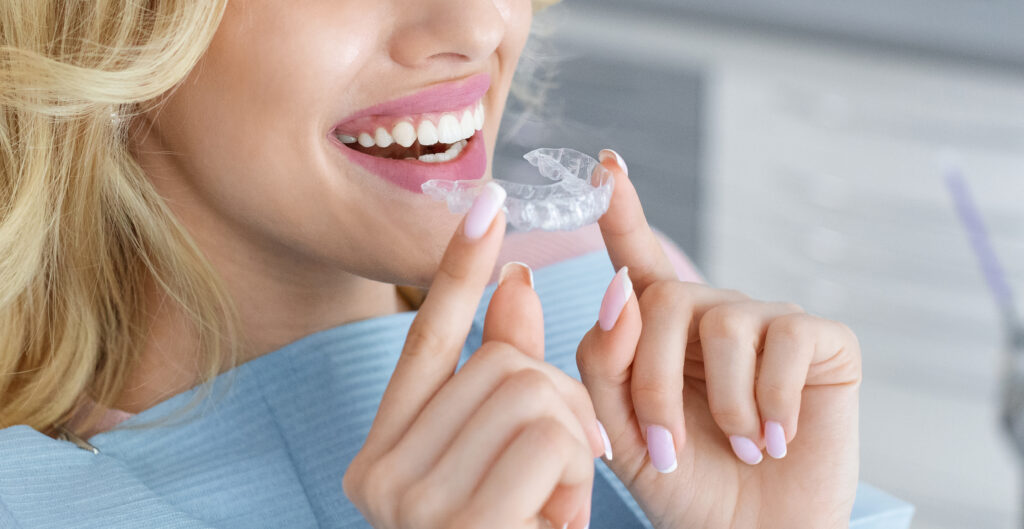
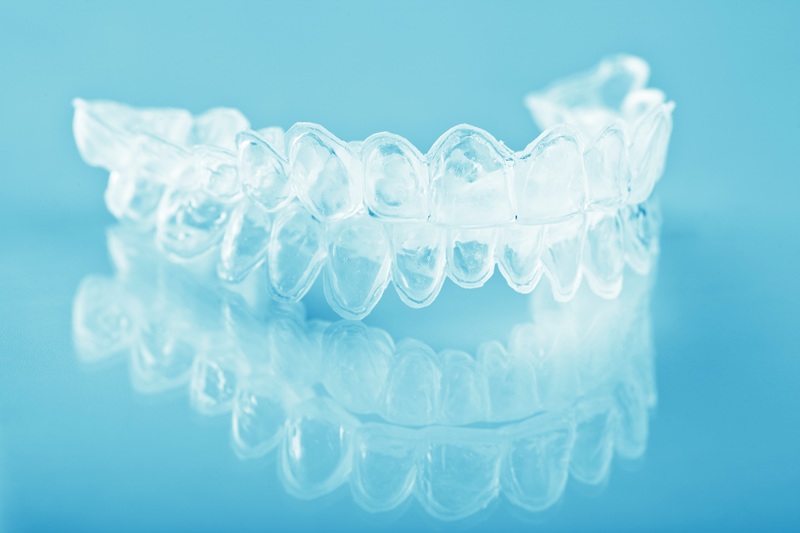
A dental splint is a removable oral appliance that fits over the upper or lower teeth. It creates a protective barrier between the upper and lower teeth, preventing direct tooth-on-tooth contact during grinding or clenching.
Dental splints are custom-made by a dentist using impressions or digital scans of your teeth, which means they fit precisely and comfortably, unlike over-the-counter alternatives, which are generic and often poorly fitted.
They are most commonly worn at night, though in some cases a dentist may recommend daytime use as well.
What Is Bruxism and Why Does It Happen?
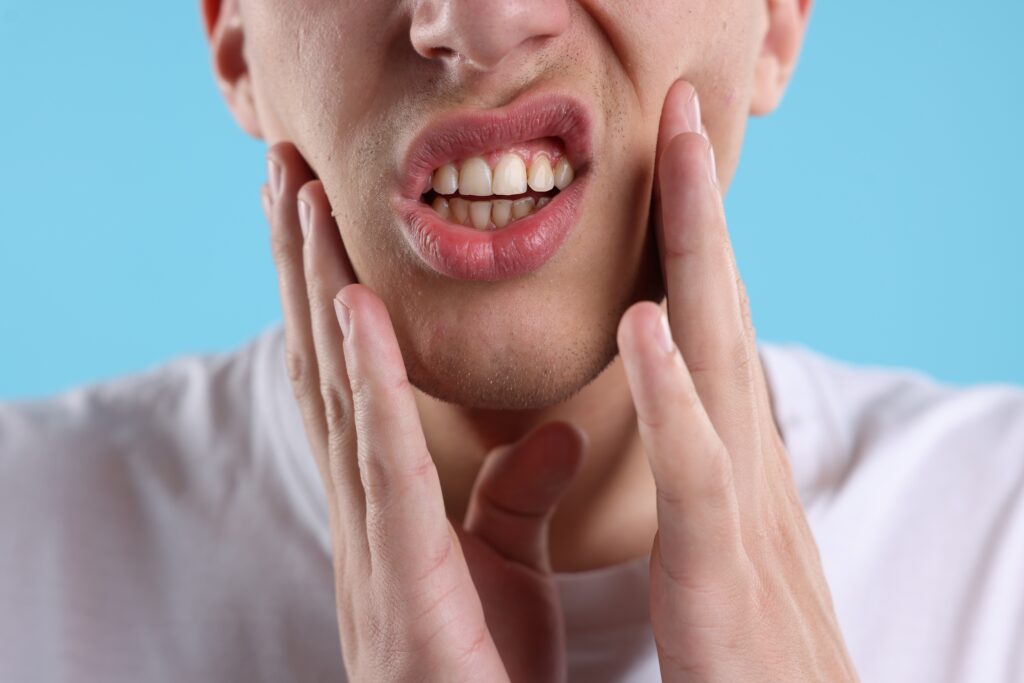
Bruxism is the involuntary grinding or clenching of the teeth. It can happen during sleep (sleep bruxism) or while awake. Many people have no idea they are doing it until a dentist points out the signs during a routine check-up.
Common contributing factors include:
- Stress and anxiety
- Sleep disorders such as obstructive sleep apnoea
- Certain medications
- Caffeine or alcohol consumption
- Bite irregularities
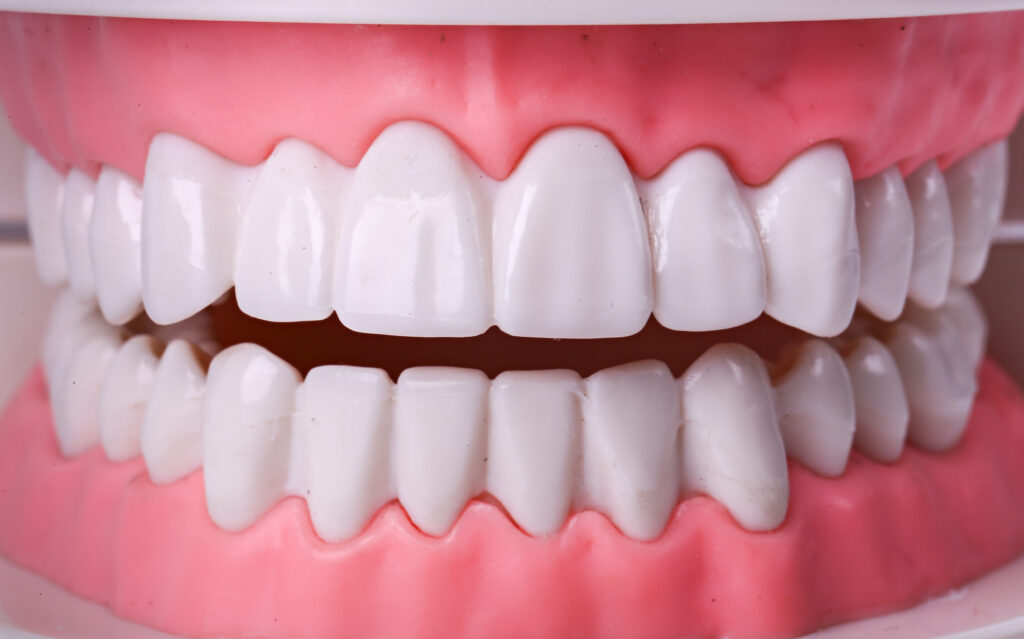
Because bruxism often occurs during sleep, the forces involved may be significant, far greater than the pressure generated during normal chewing. Over time, this can lead to serious wear on the teeth, damage to existing restorations such as crowns or fillings, and strain on the jaw joint.
What Are the Symptoms of Bruxism?
Many people with bruxism are unaware of it until symptoms become noticeable or a dentist identifies wear patterns on the teeth. Symptoms of bruxism to watch for include:
- Jaw soreness or stiffness, particularly in the morning
- Frequent headaches, often felt at the temples
- Facial muscle tension or fatigue
- Tooth sensitivity that has no obvious cause
- Visible wear, flattening, or chipping on the biting surfaces of the teeth
- A clicking or popping jaw joint
If you have noticed any of these, it is worth raising them with your dentist.
As we discussed in our blog on dental myths debunked, waiting until symptoms are severe before seeking advice is a common mistake, and bruxism is a good example of why earlier is always better.
Types of Dental Splints
Not all dental splints are the same. Your dentist will recommend the most appropriate type based on your specific situation.
Night splint for teeth grinding (bruxism)
The night splint is the most common type, designed to be worn during sleep. It acts as a cushion that absorbs and redistributes the force of grinding, protecting the tooth surfaces and reducing strain on the jaw muscles.
TMJ splint for jaw pain
This is sometimes called an occlusal splint or stabilisation splint, and is used when bruxism has led to temporomandibular joint (TMJ) dysfunction. It is designed to help reposition the jaw into a more neutral, relaxed position.
The fit, thickness, and coverage of the splint will all vary depending on the severity of the grinding, whether it is affecting the jaw joint, and the patient’s individual bite.
Dental Splint vs Mouthguard: What Is the Difference?
This is a common question. While both are worn over the teeth, a dental splint and a sports mouthguard serve very different purposes.
A custom mouthguard is designed to protect the teeth and soft tissues from impact during sport. It is typically made from a softer material and is intended for use during physical activity.
On the other hand, a dental splint is usually designed for use during sleep and is made from a firmer material that can withstand the sustained pressure of grinding and clenching over many hours.
That means using a soft sports mouthguard as a substitute for a dental splint is not recommended, as it is not designed for that purpose and may not provide adequate protection.
How Long Do You Need to Wear a Dental Splint?
This varies from person to person.
For some patients, a dental splint is a long-term management tool, where they are worn nightly to protect the teeth and reduce symptoms. For others, it may be used over a defined period while other contributing factors, such as stress, are addressed.
Your dentist will advise you based on your situation and will check the fit and condition of the splint during regular appointments. Splints do wear down over time, particularly in cases of heavy grinding, and may need to be replaced or adjusted.
Caring for Your Dental Splint
Good care will extend the life of your splint and keep it hygienic. Key tips include:
- Rinse it with cold water after each use. Avoid hot water to not distort the material
- Clean it gently with a soft toothbrush. Avoid using toothpaste, which can be too abrasive
- Allow it to dry before storing it in its case
- Bring it to dental appointments so your dentist can check it for wear
Protect Your Teeth Before the Damage Adds Up
Bruxism might seem like a minor inconvenience, but it may cause significant wear to the teeth, damage restorations, and lead to ongoing jaw and facial pain. The good news is that a well-fitted dental splint may help protect your smile and wake up feeling a lot better.
If you have been experiencing jaw soreness, headaches, tooth sensitivity, or if a dentist has mentioned signs of grinding, now is the right time to act. Our team at MySolutions Dental Clinic in Crows Nest can assess your situation and provide a custom-fitted splint tailored to your needs.
Set a schedule for your consultation and take the first step towards protecting your teeth for the long term.
Disclaimer: The information written in this blog is general in nature and should not replace personalised dental advice. Please speak with a qualified dentist for an assessment.
Frequently Asked Questions
What is a dental splint used for?
A dental splint is primarily used to protect the teeth from the effects of grinding and clenching (bruxism). It can also help relieve jaw muscle tension and assist in managing TMJ-related pain by repositioning the jaw into a more relaxed position.
How do I know if I need a dental splint?
Common signs include waking up with jaw soreness or stiffness, frequent headaches, tooth sensitivity without an obvious cause, or visible wear on the biting surfaces of the teeth. Your dentist can confirm whether bruxism is present and whether a splint is appropriate.
What is the difference between a dental splint and a mouthguard?
A dental splint is designed for overnight use to manage grinding and clenching. A sports mouthguard is designed to protect the teeth during physical contact. They are made from different materials for different purposes, so that means they are not interchangeable.
How long does a dental splint last?
With proper care, most dental splints last several years. However, heavy grinders may wear through them sooner. Your dentist will monitor the condition of the splint during check-ups and advise if it needs replacing or adjusting.
Is a dental splint uncomfortable to wear?
There is usually a short adjustment period, during which most patients find they get used to wearing the splint within a couple of weeks. A well-fitted, custom-made splint is far more comfortable than an over-the-counter alternative and is designed to sit securely without causing discomfort.
Can a dental splint fix teeth grinding?
A dental splint manages the effects of bruxism rather than curing it. It protects the teeth from damage and reduces associated symptoms such as jaw soreness and headaches. Addressing any underlying causes alongside splint use also helps with the overall outcome.