
You wake up with a sore jaw and a dull headache, and your partner heard grinding again last night. Then your dentist brings up a splint with an unfamiliar name, and you’re left with questions. A Michigan splint is a custom-made hard plastic cover that may help protect your teeth from grinding and clenching.
This guide explains what this splint is and how it differs from other types of occlusal splints. You’ll also learn who it may suit and what happens at your appointment. We’ll finish with simple care tips.
Understanding Teeth Grinding and Jaw Strain
Bruxism is the medical name for grinding or clenching your teeth when you’re not chewing, says Healthdirect. Some people grind in their sleep, so they often don’t know until a partner hears it or symptoms start.
Several things are linked to grinding teeth in sleep. Stress and anxiety are common triggers, and smoking, alcohol, caffeine and snoring are also linked to it. Some medicines can play a part too, according to the Australian Dental Association (ADA).
All that extra pressure can wear down your teeth and strain your jaw muscles and joints. That’s why jaw pain, headaches and sensitive teeth are often listed together as signs of grinding.
What Is a Michigan Splint?
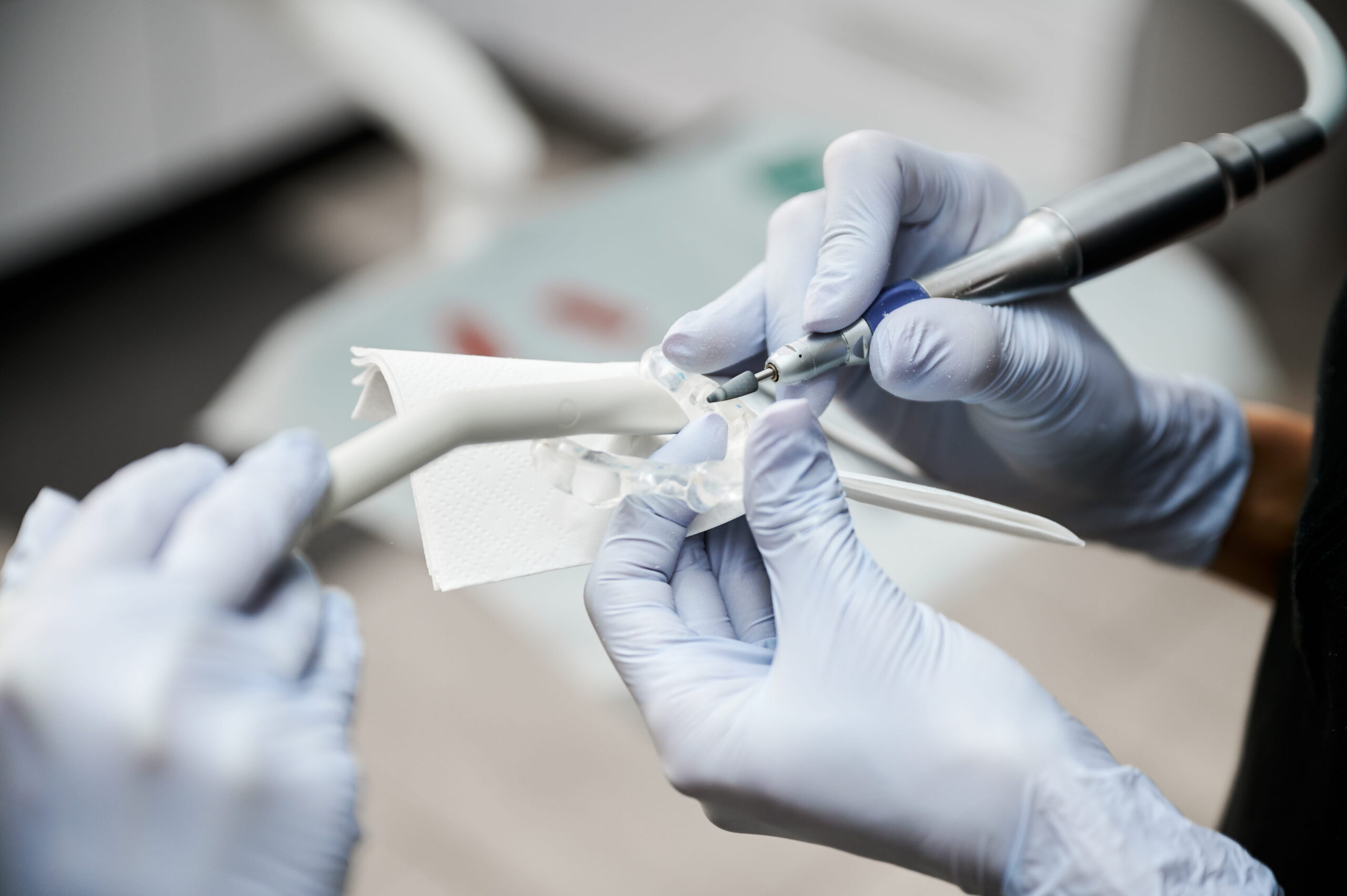
A Michigan splint is one type of occlusal splint. An occlusal splint is a hard plastic appliance that your dentist makes to fit over your upper or lower teeth. Some dentists also call this design a Michigan occlusal splint.
What sets it apart is its shape. It covers every biting surface in one row of teeth, and the upper row is often the one chosen. The top of the splint is flat, so your opposing teeth meet it evenly. When you slide your jaw sideways, your canine teeth guide the movement, and your other teeth lift slightly away.
A dental journal paper says it was developed at the University of Michigan in the United States. The paper describes its most common use as sore jaw muscles or joints. It may also protect teeth from grinding wear.
How a Michigan Splint Differs From a Night Guard
You’ll hear several names for these appliances, so it helps to sort them out. The ADA says a night guard is another name for an occlusal splint. The Michigan splint is one design within that group. If you’ve searched for a mouth guard for teeth grinding, your dentist may discuss a custom occlusal splint.
A sports mouthguard is a different appliance. At MySolutions Dental Clinic, we offer several types of dental splints, including anterior splints and Michigan splints. Your dentist will have to assess you first by looking at your bite, symptoms and oral health, then recommend the type that suits you.
Signs You Might Need a Splint
Not everyone who grinds their teeth needs a splint, so a dentist’s assessment always comes first. These are signs worth mentioning at your next visit:
- Sore or tight jaw muscles, especially in the morning
- Headaches or aching teeth
- Chipped, cracked or loose teeth
- Cracked or broken fillings
- Teeth that feel sensitive
- A jaw joint that feels sore when you eat
- A partner who hears grinding at night
Having one of these signs doesn’t mean you need a splint. It does mean a check-up is worthwhile, because your dentist can look for wear and damage you can’t see yourself.
What a Splint Can and Can’t Do
According to the ADA, an occlusal splint protects teeth from wear. It also eases strain on the muscles of your face and mouth, and on your jaw joints. A splint for teeth grinding won’t stop the habit, but it may take away some signs and symptoms.
The research also shows limits. A Cochrane review of occlusal splints for sleep bruxism found there wasn’t enough evidence to say they work. It did note there may be some benefit for tooth wear.
Related: Find out more about TMJ and occlusal therapy at MySolutions Dental Clinic.
Because of this, a splint is often one part of a wider plan. Healthdirect lists counselling, relaxation, good sleep habits and less caffeine as other options. Your dentist can talk through the benefits and risks of each approach with you.
What to Expect When You Get a Michigan Splint
Your first visit starts with a conversation and an examination. Your dentist checks your bite, symptoms and oral health to decide whether a splint suits you. If it does, they take impressions of your teeth so the splint can be made to fit closely.
At the fitting, your dentist adjusts the splint so it sits securely and meets your teeth evenly. They’ll also explain how and when to wear it, and how to clean it. Some people notice extra saliva at first, so mention anything that feels uncomfortable.
Follow-up visits may be recommended, so your dentist can check the fit and make small changes.
Caring for Your Splint
Looking after your splint helps it keep doing its job. The ADA suggests a few simple habits:
- Keep it dry in a protective case when you’re not wearing it.
- Clean the inside and outside with soft liquid soap, a spare toothbrush and cool water.
- Bring it to your routine dental check-ups so your dentist can check it.
- Tell your dentist if it no longer fits, or looks bent, worn or broken.
If a splint no longer fits, or becomes worn or broken, it will need to be replaced. New dental work, such as a crown, can also change how it fits.
Is a Michigan Splint Right for You?
A Michigan splint is a custom-made splint for teeth grinding that covers one row of your teeth. It may protect them from wear and ease jaw strain, but it won’t stop the habit. Whether it suits you depends on a dentist’s assessment of your bite, symptoms and oral health.
If you’d like to know more about dental splints, our team at MySolutions Dental Clinic is happy to help. When you’re ready, you can book a consultation online.
Frequently Asked Questions
How Long Does It Take to Get Used to a Michigan Splint?
Everyone adjusts at their own pace. Some people notice extra saliva or an unusual feel in the mouth at first. Your dentist checks the fit at a follow-up visit and can make small changes. If your splint feels uncomfortable, tell your dentist so it can be adjusted.
Is a Michigan Splint the Same as a Night Guard?
Not exactly. A night guard is another name for an occlusal splint. A Michigan occlusal splint is one design within that group. It has a flat surface and covers every biting surface of one row of teeth. Your dentist will explain which design suits your needs.
Will a Splint Stop Me From Grinding My Teeth?
No. A mouth guard for teeth grinding, such as a custom occlusal splint, won’t stop the habit itself. It can protect your teeth from wear and may ease some symptoms. Many people use more than one approach, such as stress management, relaxation and less caffeine, as Healthdirect notes. Your dentist can help you decide what suits your situation.
How Do I Know If I Need a Dental Splint?
Only a dentist can tell you for sure. They’ll ask about your symptoms, sleep habits and general health, then check your teeth for wear and damage. Some people have no symptoms at all, so signs of wear are often spotted at a regular check-up. Not everyone who grinds their teeth needs a splint, so an assessment is the best first step.
Can Grinding Be Linked to Snoring or Sleep Apnoea?
Yes, it can. The Australian Dental Association says sleep bruxism can be linked to obstructive sleep apnoea. If you snore, tell your dentist, who may suggest a check with your doctor. Different splints are used for different concerns, so your dentist will recommend the right one.