If you’ve been exploring your options for improving the appearance of your smile, chances are you’ve come across dental veneers. They are one of the more widely discussed cosmetic dental treatments, but for many people, they raise a lot of questions.
What are dental veneers exactly? How do they work? How long do they last, and are they right for you?
These are just some of the questions we typically hear from our patients about veneers, and this guide covers the key things worth understanding before you consider the treatment. Knowing these things can help you approach any conversation with your dentist feeling informed.
What Are Dental Veneers?
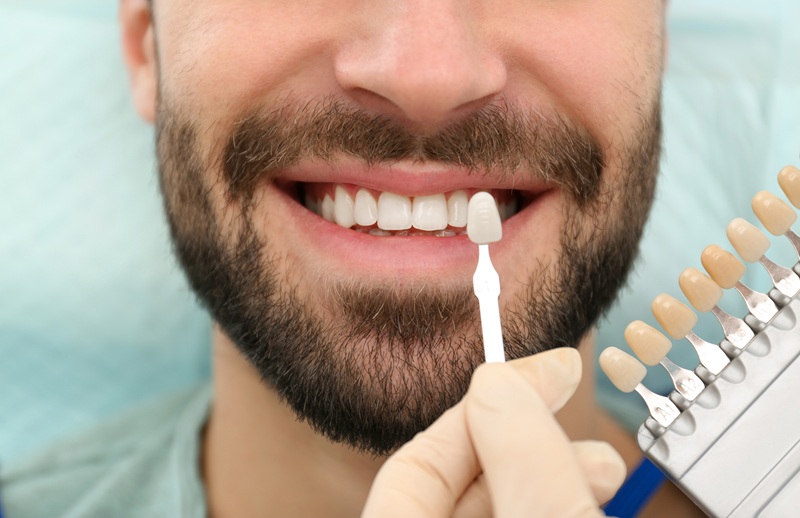
Dental veneers are thin, custom-made shells, typically made from porcelain or composite resin, that are bonded to the front surface of natural teeth. They are designed to improve the appearance of teeth affected by concerns such as discolouration, chips, uneven shape, worn edges, or minor spacing issues.
While veneers are a cosmetic treatment, they are not designed to replace missing teeth or address significant structural problems. Their purpose is primarily aesthetic, and their suitability depends heavily on the individual’s oral health.
Types of Veneers: Porcelain vs Composite Veneers
There are two main types of dental veneers used in practice: porcelain and composite resin.
Porcelain veneers are custom-fabricated in a dental laboratory and are known for their durability, natural translucency, and resistance to staining. They typically require a small amount of enamel to be prepared from the tooth surface before placement.
Composite resin veneers are applied directly to the tooth in a single visit and can be a more accessible option in terms of cost. However, they are generally considered less durable than porcelain and may be more prone to staining over time.
Your dentist will discuss which type may be more appropriate based on your individual circumstances.
How Do Dental Veneers Work? The Procedure Step by Step
So how do dental veneers work in practice? Here is a general overview of the process.
- Consultation and assessment — Your dentist reviews your oral health, examines your teeth, and discusses your goals. Not every patient is a suitable candidate for veneers. Factors such as enamel availability, gum health, bite concerns, and habits like teeth grinding can all affect whether the treatment is appropriate.
- Tooth preparation — If veneers are deemed suitable, a thin layer of enamel is usually removed from the tooth surface to create room for the veneer shell. The amount removed is generally minimal, but it is worth understanding that this step is what makes the treatment largely irreversible.
- Impressions and fabrication — An impression or digital scan of your teeth is taken and sent to a dental laboratory, where your custom veneers are made. Temporary veneers may be placed while you wait.
- Bonding and finalisation — Once the permanent veneers are ready, they are bonded to the teeth using a dental adhesive. Your dentist will carefully check the fit, shape, and appearance before finalising the placement.
How Long Do Dental Veneers Last?
Longevity is one of the most common questions people have when considering this treatment. How long do dental veneers last?
Research suggests that porcelain veneers can be a durable long-term option when placed appropriately and cared for well. In this research, it showed a 10-year cumulative survival rate of 95.5% across 6,500 porcelain laminate veneers.
That said, longevity is not a guarantee and will vary depending on individual factors, including oral hygiene, diet, and whether habits such as teeth grinding are present. This habit may likely affect one’s veneer treatment, which is why a thorough assessment before treatment is so important.
Composite veneers generally have a shorter lifespan compared to porcelain, often requiring maintenance or replacement sooner.
Are Veneers Reversible?
This is an important question to consider. Because porcelain veneers typically require the removal of a thin layer of enamel from the tooth surface, the process is generally considered irreversible.
Enamel does not grow back, meaning once the tooth has been prepared, it will likely always require some form of coverage.
This is one reason why the consultation and assessment stage matters to understand exactly what the treatment involves before proceeding, and your dentist should walk you through all of this clearly.
Caring for Your Veneers
Veneers do not require special maintenance routines, but how well you look after them does influence how long they last.
General guidance includes brushing and flossing regularly, attending routine dental check-ups, and being mindful of habits that may place excessive force on the veneers, such as biting on hard objects or grinding teeth at night. If you experience teeth grinding, it is worth discussing this with your dentist, as a dental splint may help protect your veneers.
How Much Do Dental Veneers Cost in Australia?
How much dental veneers cost is understandably a key consideration for many patients. Veneer costs in Australia can vary depending on the type of veneer, the number of teeth being treated, the complexity of the case, and the individual practice.
Porcelain veneers tend to involve a higher upfront investment than composite options, partly due to the laboratory fabrication involved. Your dentist will be able to provide a clear breakdown of costs during your consultation.
At MySolutions Dental Clinic, we offer complimentary cosmetic consultations, flexible payment plans, and in-house HICAPS claiming to help make the process more accessible.
Is a Veneer the Right Option for You?
Dental veneers can be considered an option for people looking to address specific cosmetic concerns. However, not everyone is suitable for it, which is why a thorough assessment to consider the overall picture of your oral health.
If there are concerns that need to be addressed first, such as decay, gum issues, or bite problems, these will typically need to be resolved before any cosmetic treatment is discussed.
If you’re considering dental veneers in Crows Nest, NSW, MySolutions Dental Clinic is glad to give you guidance and understanding.
Book a consultation with our dentist to know more.
Frequently Asked Questions
What are dental veneers?
Dental veneers are thin, custom-made shells bonded to the front surface of teeth to improve their appearance. They are commonly used to address discolouration, chips, uneven shape, minor gaps, or worn edges.
How do dental veneers work?
The process typically involves a consultation and suitability assessment, followed by tooth preparation, taking impressions or digital scans, laboratory fabrication of the veneers, and finally bonding them to the teeth. The exact steps can vary depending on the type of veneer used.
How long do dental veneers last?
Porcelain veneers may last 10 years or more with proper care. Research suggests a 10-year survival rate of around 95.5% for porcelain laminate veneers. Composite veneers generally have a shorter lifespan. Individual results will vary depending on oral hygiene, lifestyle habits, and regular dental care.
How much do dental veneers cost in Australia?
Veneer costs in Australia vary depending on the type of veneer, the number of teeth treated, and the complexity of the case. Your dentist will provide a detailed cost breakdown during your consultation. MySolutions Dental Clinic offers flexible payment plans and complimentary cosmetic consultations.
Are dental veneers reversible?
Porcelain veneers typically involve the removal of a thin layer of enamel, which means the process is generally considered permanent. This is one reason why a thorough consultation and assessment are important before proceeding with treatment.