
Wisdom teeth are the last molars to come through at the very back of your mouth, but they don’t always arrive without trouble. For many people, they come through without issue. But for others, wisdom teeth coming through can be the start of a range of symptoms.
And that may include affecting not just the wisdom tooth itself, but the surrounding teeth and gum tissue.
The challenge is that the signs are not always obvious, especially in the early stages. Understanding what to look out for can help you know when it’s worth booking a dental assessment.
Why Wisdom Teeth Can Cause Problems
Wisdom teeth typically emerge in the late teens or early twenties, at a point when the jaw may no longer have enough room to accommodate them comfortably. This is because the human diet has already evolved, unlike before when ancestors would eat raw meat.
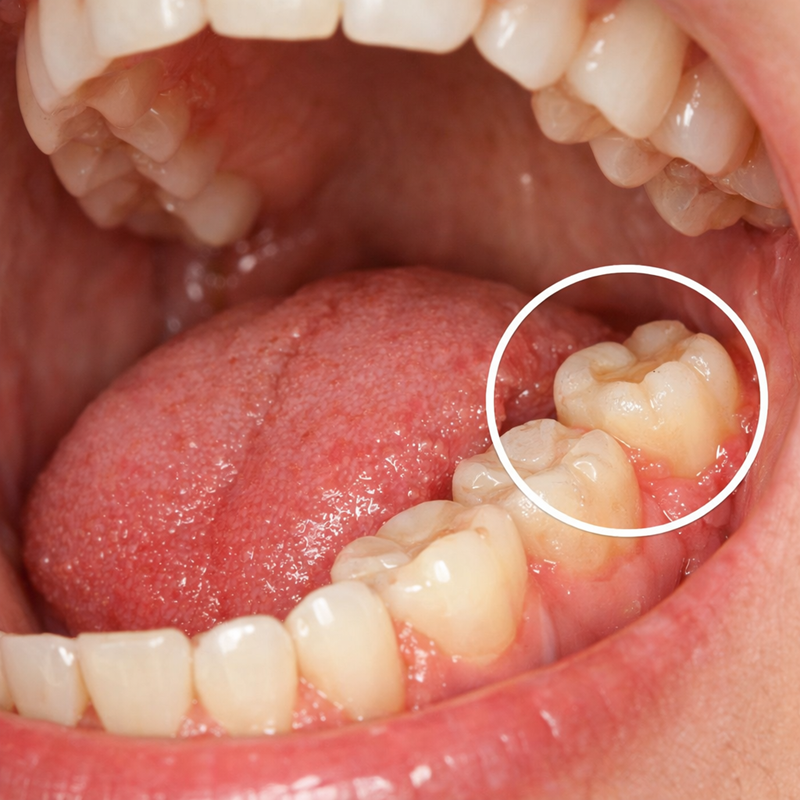
When there is not enough space for wisdom teeth to grow, they may become partially erupted, grow at an angle, or remain trapped beneath the gum line, a condition known as impaction.
These situations can create a range of problems that extend beyond the wisdom tooth itself, affecting adjacent teeth and the surrounding gum tissue.
Signs Your Wisdom Teeth May Be Affecting Your Other Teeth
Crowding or Shifting of Nearby Teeth
One of the concerns associated with wisdom teeth coming through is the pressure they may exert on neighbouring teeth. Some patients notice that teeth that were previously straight begin to feel different or appear more crowded over time.
While the relationship between wisdom teeth and crowding remains a topic of ongoing clinical discussion, impacted wisdom teeth have long been associated with changes in the surrounding dental arch.
Pain Radiating to Other Teeth
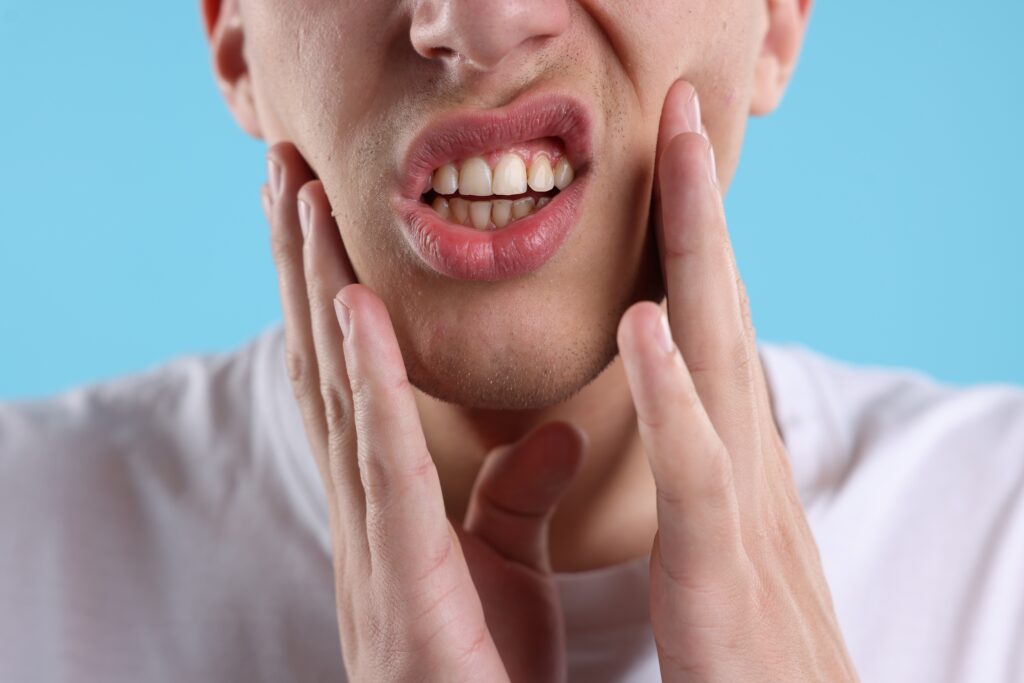
Wisdom tooth pain does not always stay localised to the back of the mouth. Many people also experience aching or discomfort that spreads along the jaw or into nearby teeth, making it difficult to pinpoint exactly where the problem is coming from.
If you’re noticing pain in the back region of your mouth that seems to travel, a dental assessment can help identify whether your wisdom teeth are the source.
Swollen or Tender Gums Around the Wisdom Tooth
Swollen, red, or tender gums around a partially erupted wisdom tooth are a common sign that something needs attention. This inflammation can occur when the gum tissue surrounding an erupting tooth becomes irritated or infected. This is known as pericoronitis.
It is said that this kind of gum inflammation most often affects the lower wisdom teeth, and the pain and swelling it causes can spread well beyond the tooth itself. In more serious cases, it can even make it hard to open your mouth properly or leave you feeling generally unwell.
Food Trapping and Difficulty Cleaning
Partially erupted wisdom teeth create pockets and crevices that are difficult to clean with a toothbrush or floss. Food and bacteria can accumulate in these spaces, increasing the risk of decay in both the wisdom tooth and the tooth directly in front of it.
Over time, this can lead to cavities forming on the neighbouring molar. This could be a consequence that may not become apparent until significant damage has already occurred.
Bad Breath That Does Not Resolve
Persistent bad breath or an unpleasant taste in the mouth may also be a sign of infection around a wisdom tooth. When bacteria build up beneath the gum flap surrounding a partially erupted tooth, it creates an environment where infection can take hold.
When this infection is left unmanaged, it can progress to involve the surrounding tissue, teeth and gums.
Infection Around the Wisdom Tooth
When an infection around the wisdom teeth has developed, the situation may warrant prompt dental attention. Pericoronitis should not be left untreated, as this infection may also affect, not only the surrounding tissues but also your overall well-being.
Catching it early makes a real difference.
How Wisdom Teeth Are Assessed
If you’re experiencing any of the above symptoms, a dental assessment is the appropriate next step.
Your dentist will examine the area clinically and, in most cases, take a wisdom teeth X-ray assessment to get a full picture of how your wisdom teeth are positioned. It will show whether they are impacted and how they may be affecting the surrounding teeth and bone.
Based on the findings, your dentist will discuss your options clearly, including whether monitoring, management, or a wisdom teeth removal consultation is the most appropriate path forward.
When Removal May Be Discussed
Not all wisdom teeth need to be removed. However, when they are all causing ongoing symptoms, removal is often considered the most practical way to protect long-term oral health.
It’s worth noting that the complexity of wisdom tooth removal varies depending on the tooth’s position and whether it is impacted. Your dentist will explain what to expect based on your specific situation.
Don’t Wait Until It Gets Worse
Wisdom teeth problems often develop gradually, and symptoms can be easy to dismiss. But the earlier a concern is identified, the more options are available and the less likely it is that adjacent teeth will be affected in the process.
If you’ve noticed any of the signs described above, or if you’re considering having a wisdom teeth check-up, our team at MySolutions Dental Clinic in Crows Nest is here to help. Our facilities are equipped with advanced digital X-ray technology and a thorough clinical assessment to get a clear picture of how your wisdom teeth are looking.
Consult with our dentists for better care and guidance.
Frequently Asked Questions
How do wisdom teeth affect other teeth?
Wisdom teeth can affect neighbouring teeth in several ways: first, through pressure that contributes to crowding or shifting; second, by creating spaces where food and bacteria accumulate, or; third, through infection that spreads to adjacent gum tissue and bone.
A dental assessment with X-rays is the most reliable way to understand how your wisdom teeth are positioned and whether they are causing any impact on neighbouring teeth.
What are the signs of an infection around a wisdom tooth?
Signs of a wisdom tooth infection may include swollen or tender gums at the back of the mouth, persistent bad breath or an unpleasant taste, pain that radiates to the jaw or nearby teeth, and difficulty opening the mouth fully. These symptoms should be assessed by a dentist promptly.
What is pericoronitis?
Pericoronitis is an inflammatory condition affecting the gum tissue surrounding a partially erupted tooth, usually a wisdom tooth. It can cause localised pain, swelling, and in more severe cases, difficulty swallowing or opening the mouth. It requires professional dental assessment and treatment.
Do all wisdom teeth need to be removed?
Not necessarily. Some wisdom teeth come through without causing any problems and can be monitored at regular check-ups. However, if a wisdom tooth is impacted, causing recurring infection, or affecting neighbouring teeth, removal may be recommended.
Your dentist will have to assess your individual situation first and explain your options clearly.
What does a wisdom teeth assessment involve?
A wisdom teeth assessment typically includes a clinical examination of the gum tissue and surrounding area, along with a dental X-ray to assess the position of the wisdom teeth, whether they are impacted, and how they relate to the adjacent teeth and structures. Your dentist will then discuss the findings and recommended next steps with you.