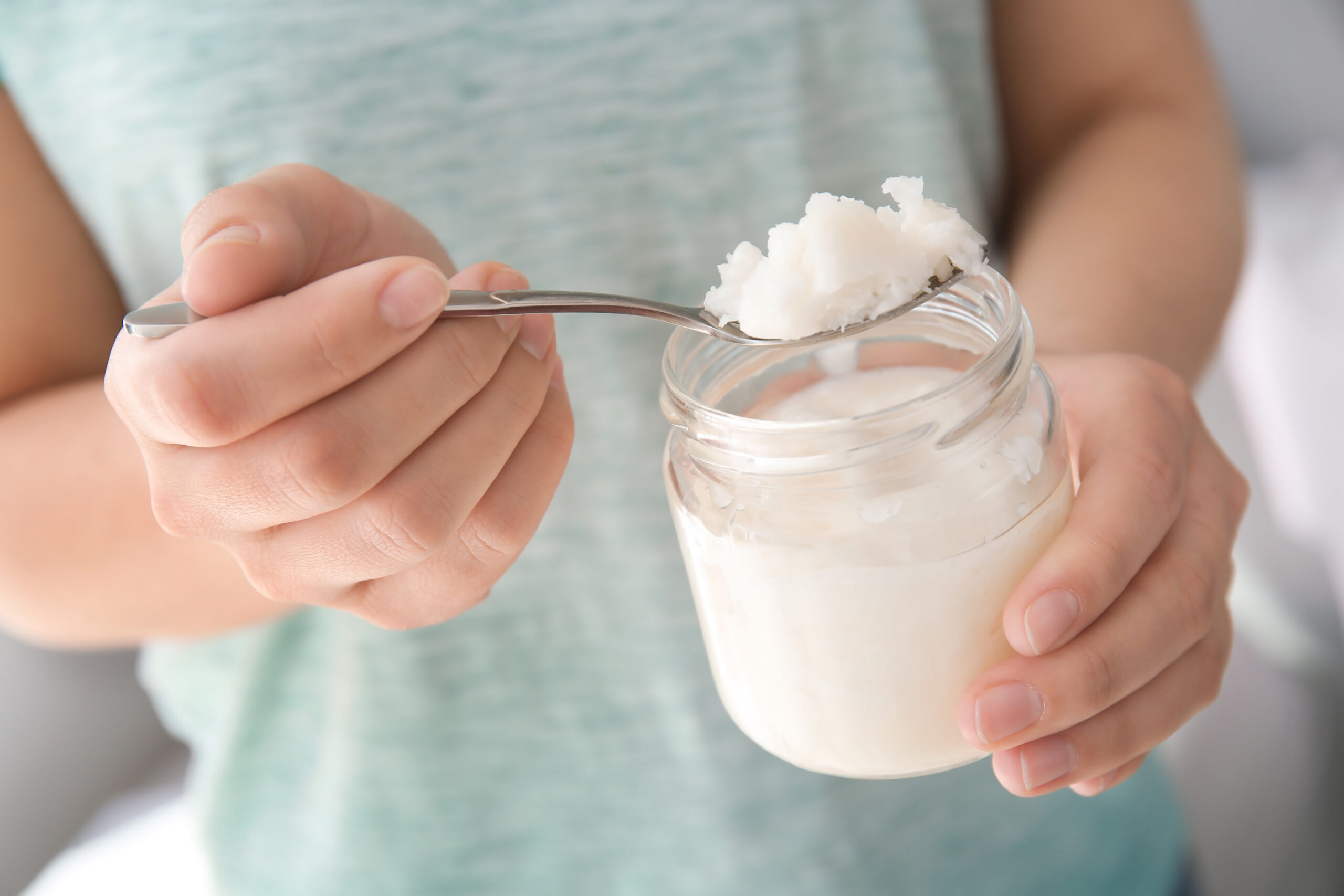
Swish a spoonful of coconut oil around your mouth for twenty minutes, and social media promises everything from whiter teeth to detoxified gums. It sounds almost too easy to be true.
Here’s the honest picture: coconut oil pulling isn’t dangerous for most people, but the evidence behind its benefits is far thinner than the hype suggests. Here’s what it actually involves, what the research supports, and where it can go wrong.
What Is Oil Pulling?
Coconut oil pulling is a modern take on an oil-pulling Ayurvedic practice that’s centuries old, traditionally using sesame oil. The method itself is simple: swishing oil in the mouth for around 15 to 20 minutes, then spitting it out, without swallowing.
The theory behind coconut oil for teeth pulling is that the oil “pulls” bacteria and toxins out of the mouth as you swish. It’s gained a big following online, and brands often market it as a natural, chemical-free alternative to mouthwash.
What Are the “Claimed” Benefits of Oil Pulling?
People trying coconut oil mouth pulling benefits are usually chasing a few specific outcomes:
- Fresher breath, as an oil pulling bad breath treatment
- Whiter teeth, through claims of natural teeth whitening remedies
- Healthier gums, with some using coconut oil pulling for gums specifically to reduce inflammation
- General detox claims, tied to a broader holistic oral health routine
Coconut oil does contain lauric acid, which has some antimicrobial properties in laboratory settings. People often cite this as the scientific basis for the practice, though lab findings don’t always translate directly into real-world results.
Does Coconut Oil Pulling Kill Bacteria? What the Evidence Actually Shows
So, does coconut oil pulling kill bacteria in a way that meaningfully improves oral health? In this systematic review, researchers found that some short-term studies showed a reduction in salivary bacterial count and plaque scores with coconut oil pulling. However, the review also noted limited evidence and mixed study quality. Larger, more rigorous trials are still needed before we can draw firm conclusions.
In simpler terms, there’s a plausible mechanism at work: lipid saponification, where the oil binds to bacterial cell membranes and helps dislodge them. There are also some early signals of benefit. But none of this comes close to the evidence backing brushing, flossing, and fluoride.
Do Dentists Recommend Oil Pulling?
So, do dentists recommend oil pulling as a genuine treatment? Generally, and even for us at MySolutions Dental Clinic, no. We do not treat it as a replacement for anything.
You may also be wondering, “Can oil pulling replace brushing teeth?” So far, no major dental body recommends it as a substitute for brushing, flossing, or professional cleaning.
It might fit as an optional extra in a holistic oral health routine, alongside your existing habits, never instead of them. If you enjoy it and it doesn’t cause discomfort, there’s little reason to stop. Just don’t let it replace anything your dentist already recommends.
Oil Pulling Side Effects to Know About
We’ve covered the claimed benefits. Now let’s look at the downsides. Oil pulling side effects are generally mild, but they’re worth knowing before you start.
- Jaw fatigue or soreness from swishing continuously for 15 to 20 minutes
- Nausea, particularly for people unused to the texture or taste
- A rare but serious risk of lipoid pneumonia, a lung condition that happens if you accidentally inhale oil into your airway. Case reports describe this happening with habitual, repeated oil pulling, especially when people breathe in oil instead of spitting it out fully.
This risk is uncommon, but it’s the main reason to use careful technique. Swish gently rather than vigorously, and spit the oil into a bin rather than the sink, since it can solidify and block your pipes.
Coconut Oil vs Sesame Oil Pulling
If you’re deciding between coconut oil vs sesame oil for pulling, the evidence for both is similarly limited. Coconut oil has become more popular, mainly because of its milder taste and wider availability, not because it works better.
Is Oil Pulling Safe During Pregnancy?
For most people, the practice carries no specific pregnancy-related risk, since it’s topical rather than something you swallow. That said, pregnancy is a good time to check any new health habit with your dentist or GP. Morning sickness can also make prolonged swishing uncomfortable for some.
Oil Pulling: Good or Bad?
So, is oil pulling good or bad overall? It’s neither a miracle cure nor something to fear. For most healthy adults, it’s a low-risk, optional addition, not a treatment. And it’s no replacement for the basics that actually protect your teeth.
Basic Dental Routine Still Helps
Coconut oil pulling isn’t dangerous for most people. Some early evidence suggests it may offer a modest benefit alongside your existing routine. But it can’t replace brushing, flossing, or regular check-ups. These remain the proven foundation of good oral health.
If you’re curious about where oil pulling might fit into your routine, or want an honest read on what your mouth actually needs, a check-up and clean is a great place to start that conversation. If you’re in Crows Nest, MySolutions Dental Clinic can help you understand your oral health better.
Book an appointment with our team for a more guided way to look after your teeth and gums.
Frequently Asked Questions
Can oil pulling whiten my teeth?
There’s no strong evidence that oil pulling significantly whitens teeth. Any perceived brightening more likely comes from removing surface debris, not an actual change in tooth colour.
How long should I oil pull for?
Most traditional guidance suggests 15 to 20 minutes, though some people use shorter durations. There’s no strong evidence that pulling for longer gives meaningfully better results.
Is oil pulling safe for children?
Dentists don’t generally recommend oil pulling for young children, mainly because of the risk of swallowing or inhaling the oil. Standard brushing guidance is a better fit for kids.
Does oil pulling help with gum disease?
There’s limited evidence it may modestly reduce some markers linked to gum inflammation. But according to the Australian Dental Association’s position, it shouldn’t replace professional dental care, and dentists don’t recommend it as a treatment for gum disease.