Ever noticed your teeth looking a little longer than before, or felt a jolt of sensitivity somewhere new? That’s usually your gums quietly pulling back, and it happens far more often than people realise.
It’s important to know that gum recession won’t reverse on its own, but catching it early gives you real options. Here’s what actually causes it, how to tell how far it’s progressed, and what genuinely helps.
What Is Gum Recession?
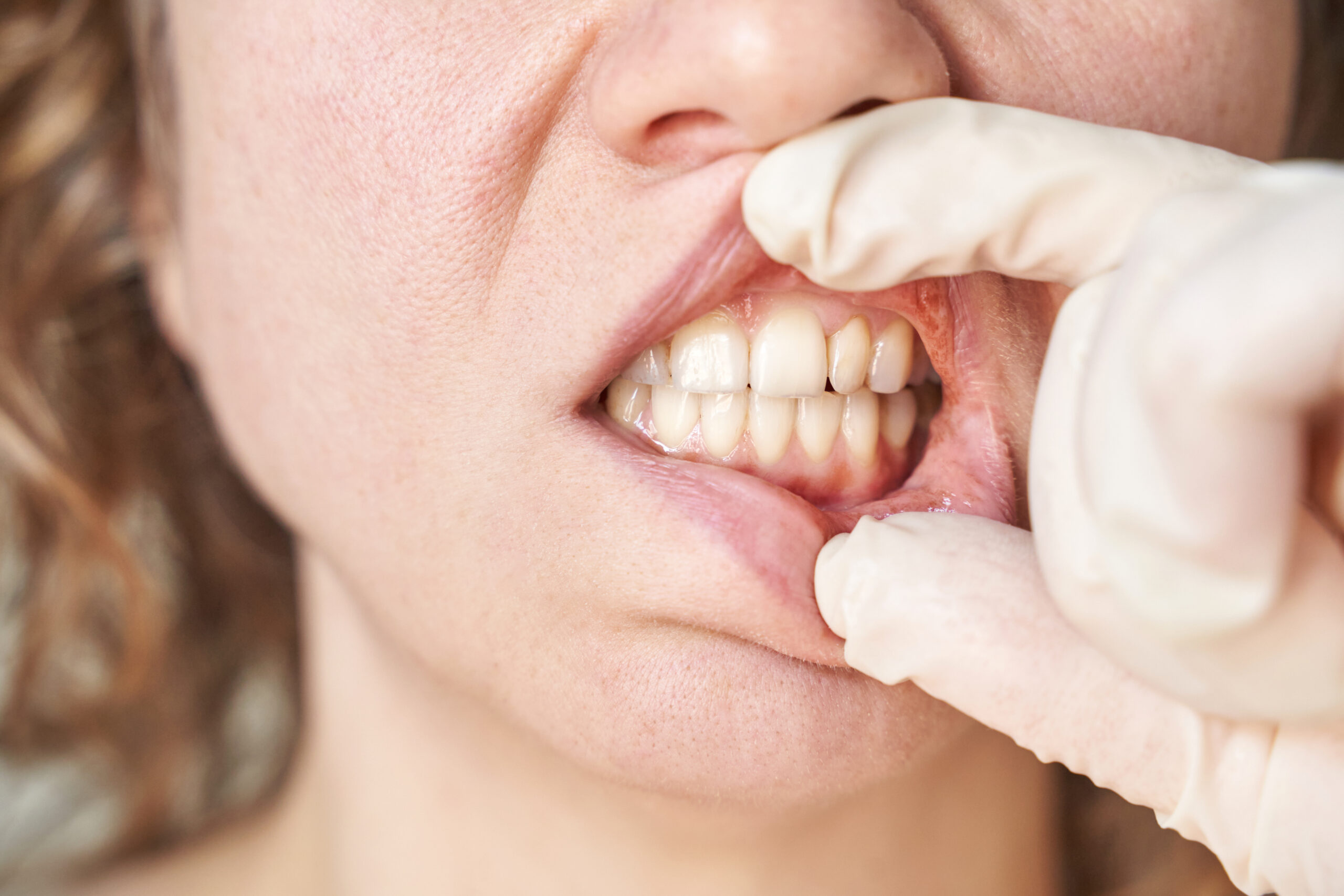
Gum recession, also called gingival recession, happens when gum tissue pulls back from your teeth. This exposes more of the tooth, and sometimes the root, underneath. It’s actually more common than many people realise.
Research shows that roughly 88% of people over 65 have some degree of gum recession on at least one tooth. It can start much earlier than that, though.
Because the exposed root doesn’t have the same protective enamel coating as the rest of the tooth, recession often comes with:
- Sensitivity to hot, cold, or sweet food and drinks
- A visible difference in tooth length between teeth
- Notches or grooves near the gumline
- Mild discomfort when brushing or flossing
What Causes Receding Gums?
There are a few different receding gums causes, and often more than one is at play at once.
- Periodontitis (gum disease) — the most common cause. According to healthdirect, around 3 in 10 Australian adults have moderate to severe gum disease. Periodontitis gum recession develops as the infection damages the tissue and bone supporting the teeth.
- Gum damage due to aggressive tooth brushing — brushing too hard, or using a firm-bristled brush, wears away gum tissue over time.
- Genetics — some people are simply more prone to thinner gum tissue.
- Teeth grinding or misaligned bite — uneven pressure on the teeth can contribute to recession in specific spots.
- Smoking and tobacco use — linked to a higher rate of gum disease and slower healing.
- Orthodontic treatment or piercings — braces and lip or tongue piercings can put extra pressure on the gum tissue in certain areas.
Understanding Receding Gums Stages
Dentists often assess receding gums stages using a classification system. It looks at how much tissue you’ve lost and whether it affects the bone underneath.
To give you a better understanding of it, recession tends to progress like this:
- Early stage — mild recession, often only visible on close inspection, with little to no sensitivity
- Moderate stage — more noticeable root exposure, sensitivity becomes common, and the tooth may look slightly longer
- Advanced stage — significant root exposure, visible notching, and a higher risk of further bone loss if you don’t treat the underlying cause (usually periodontitis)
Catching recession in its earlier stages gives you far more options, and generally better outcomes, than waiting until it’s advanced.
Can Receding Gums Grow Back?
If you’ve noticed your teeth look longer, or a dentist has told you your gums are receding, it’s natural to wonder: do receding gums grow back? The honest answer is no. Gum tissue doesn’t regenerate the way some other tissue in the body does.
So, can receding gums be reversed? Not on their own. The good news: treating the underlying cause can stop it from getting worse, and surgical treatments can restore some of that lost coverage.
You may have come across suggestions online, including oil pulling for gum health, as a way to “regrow” gum tissue. But there isn’t good evidence that this actually reverses recession.
How to Fix Receding Gums: Treatment Options
The right approach to the treatment for receding gums actually depends on the cause and how far it’s progressed. The best thing to do is consult a dentist about it. They can provide a recommendation tailored to your case.
Here are a few tools/treatments that they may offer:
- Deep cleaning (scaling and root planing) — removes plaque and tartar from below the gumline, often the first step when periodontitis is the cause
- A softer toothbrush and gentler technique — if aggressive brushing is a contributing factor
- Gum graft surgery — a surgical procedure where a periodontist, usually under local anaesthetic, adds tissue to cover exposed roots
- Pinhole surgical technique — a newer, less invasive alternative to traditional grafting for some cases of recession
Important: A periodontist performs gum graft surgery under local anaesthetic. As with any surgical treatment, individual results and recovery vary from person to person. The procedure carries risks such as infection, bleeding, discomfort, or graft failure in some cases.
This information is general in nature and does not replace an individual consultation. Your dentist or periodontist will assess your suitability for this procedure. They’ll also discuss the risks, benefits, and expected outcomes specific to your situation before going ahead.
Not everyone with receding gums needs surgery. A professional clean and better home care manage many cases well. A proper assessment is the best starting point before you assume surgery is necessary.
How to Stop Gum Recession From Getting Worse
While you can’t grow gum tissue back on your own, there are some things you can do to stop gum recession from progressing:
- Switch to a soft-bristled toothbrush and use gentle, circular motions
- Floss daily to reduce plaque buildup along the gumline
- Treat any underlying gum disease promptly rather than waiting
- Address teeth grinding, with a splint if needed
- Avoid smoking or tobacco products
- Keep up regular check-ups so recession is caught and monitored early
Catching Gum Recession Early Makes a Real Difference
Receding gums are common, gradual, and usually manageable, but the tissue itself won’t grow back once it’s gone. Whether gum disease, brushing habits, or genetics drive it, treating the cause early is what stops it from progressing further.
A general dental check-up is the best place to start figuring out what’s behind it and what, if anything, needs treating. If you’re in or around Crows Nest, NSW, our team at MySolutions Dental Clinic is here to give you a better view of your teeth and gum health.
Book an appointment with MySolutions Dental Clinic in Crows Nest for a proper look.
Disclaimer: This blog offers general information and doesn’t replace personalised dental advice. Please speak with a qualified dentist for an assessment.
Frequently Asked Questions
Is gum recession dangerous?
Left untreated, ongoing recession can lead to further bone loss and looser teeth over time. Catching and managing it early significantly reduces this risk.
Can toothpaste fix receding gums?
No toothpaste can regrow gum tissue. Desensitising toothpaste can help manage the sensitivity that comes with exposed roots, but it doesn’t treat the underlying recession.
Does gum recession always need surgery?
No. A professional clean, improved brushing technique, and treating the underlying cause manage many cases. Dentists generally reserve surgery for more advanced or cosmetically significant recession.
Can stress cause receding gums?
Stress isn’t a direct cause, but it can contribute indirectly, for example through teeth grinding or a weakened immune response to gum infection.
Will my gums keep receding forever if I don’t treat it?
If you don’t address the underlying cause, like gum disease, recession typically continues to progress gradually rather than resolving on its own.