
Have you ever watched your child brush and noticed how little attention the back teeth get? Those teeth are tricky for small hands to reach, and it’s common for decay to start in their grooves. That’s where fissure sealants for kids may help.
Key takeaway: fissure sealants are a thin protective coating for back teeth. They may help keep food and bacteria out of deep grooves. They work best alongside daily brushing and regular check-ups.
This guide explains what fissure sealants are and which children may benefit. It also covers what happens at the appointment and how to care for sealed teeth.
What Are Fissure Sealants?
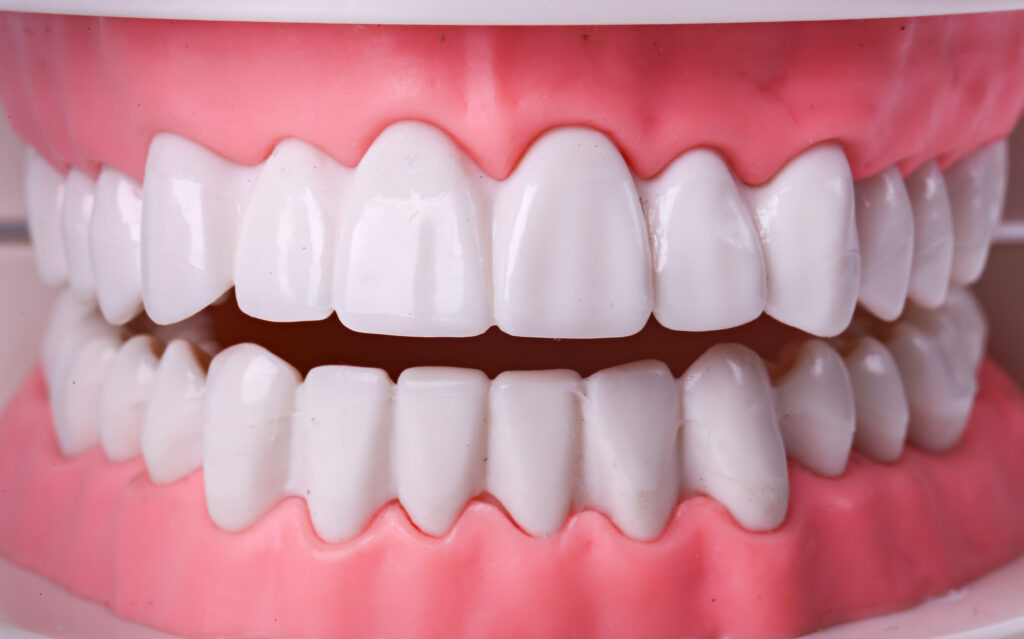
Fissure sealants are a protective layer placed on the chewing surface of a tooth. The “fissures” are the small grooves and pits in the tooth. healthdirect explains that sealants are made from a material similar to tooth filling material. They’re most commonly placed on molars.
You might also hear them called dental fissure sealants or pit and fissure sealants. These all mean the same thing. On teeth like molars, the coating helps reduce how much food and bacteria can stick to the grooves.
Why Do Back Teeth Need Extra Protection?
The back teeth, or molars, do most of the chewing. That’s why their surfaces are bumpy, with narrow grooves that a toothbrush bristle can struggle to reach. Food and bacteria can settle in those spaces, and over time they can lead to tooth decay.
That’s why a sealant can be useful for some children. By covering the grooves, it gives the tooth a smoother surface that’s easier to clean. Sealants only cover the chewing surface, though, so the rest of the tooth still needs good brushing.
Which Children May Benefit?
Sealants are usually placed soon after a child’s permanent back teeth come through. But healthdirect also notes that not all children, or all teeth, need them. Your dentist will look at your child’s teeth, grooves and habits before suggesting anything.
Your dentist may consider fissure sealants if your child has:
- Newly arrived adult molars
- Deep or narrow grooves on their back teeth
- Trouble reaching or cleaning their back teeth well
- A higher chance of decay, based on your dentist’s assessment
A tooth with existing decay may need other care first, so it’s always worth an examination.
What Happens at the Appointment?
Applying fissure sealants is a simple procedure. Here’s what usually happens:
- Check. Your dentist examines your child’s teeth and decides which ones suit a sealant.
- Clean. The tooth is cleaned and dried so the sealant can stick.
- Prepare. A special solution prepares the surface of the tooth.
- Apply. The sealant is painted onto the grooves in a thin layer.
- Set. The sealant is hardened, sometimes with a small light.
- Final check. Your dentist makes sure the sealant feels comfortable and covers the grooves.
According to healthdirect, fissure sealants don’t cause pain to apply. However, we understand that some kids may feel nervous or anxious during the treatment. Our team also explains each step in child-friendly language, so your child knows what to expect.
Related: Fluoride-Free vs Fluoride Toothpaste: Which One Should You Actually Use?
How Sealants Fit Into Your Child’s Check-Ups
Fissure sealants are just one part of children’s dental care. Regular visits let your dentist watch how your child’s teeth are developing and spot early concerns. They also give your dentist a chance to look at any sealants that are already in place.
Our team usually suggests a check-up about every six months for children. At the consultation, a scale and clean with fluoride treatment may be recommended. If sealants look like a good fit, we’ll talk through the option with you first.
Looking After Sealed Teeth
Sealants are one part of a bigger plan to protect your child’s teeth. These habits can support them:
- Keep brushing twice a day. Use an age-appropriate amount of fluoride toothpaste.
- Watch the back teeth. Help younger children brush the chewing surfaces and the gum line.
- Choose water most of the time. Try to keep sugary foods and drinks to mealtimes.
- Keep up regular check-ups. Your dentist can check that sealants are still in place.
- Ask about fluoride. healthdirect lists regular fluoride varnish as another way to help prevent decay in children.
Every child is different, so your dentist can suggest a plan that suits your child’s needs.
Can You Use the CDBS for Fissure Sealants?
For many families, cost is part of the decision. Services Australia lists fissure sealing among the services covered by the Child Dental Benefits Schedule (CDBS).
This applies if your child is still eligible for the scheme. We accept the CDBS for eligible children at MySolutions Dental Clinic, and our team can help you check eligibility.
Supporting Your Child’s Back Teeth
Fissure sealants are a thin coating that may help protect the grooves of your child’s molars. They’re most useful alongside brushing and regular check-ups. Whether your child needs them depends on their teeth, so an examination is the best first step.
If you’d like to talk it through, our team offers children’s dentistry. MySolutions Dental Clinic welcomes new and existing patients in and near Crows Nest, NSW. We’d love to meet you both and help keep your teeth and gums healthy.
You can book a visit online whenever it suits your family.
Disclaimer: This article is general information only and isn’t a substitute for personal advice from a registered dentist. Only an examination can show whether fissure sealants suit your child, and the right care depends on their individual needs.
Frequently Asked Questions
Do Fissure Sealants Hurt?
Applying them doesn’t involve pain, according to healthdirect. Our team explains each step in child-friendly language and goes at your child’s pace. If your child feels nervous, let us know before the visit.
Does My Child Still Need to Brush With Sealants?
Yes. Sealants cover only the chewing surfaces, so the rest of each tooth can still develop decay. Twice-daily brushing with fluoride toothpaste and regular check-ups stay important.
Do All Children Need Fissure Sealants?
No. Some children have shallow grooves or a low chance of decay. Your dentist may suggest other ways to support their teeth. The decision depends on an examination of your child’s teeth.
What Age Can Children Have Fissure Sealants?
It depends on when their permanent molars come through. Your dentist will check each tooth and let you know when it’s ready. For many children, that starts around the early primary school years.