

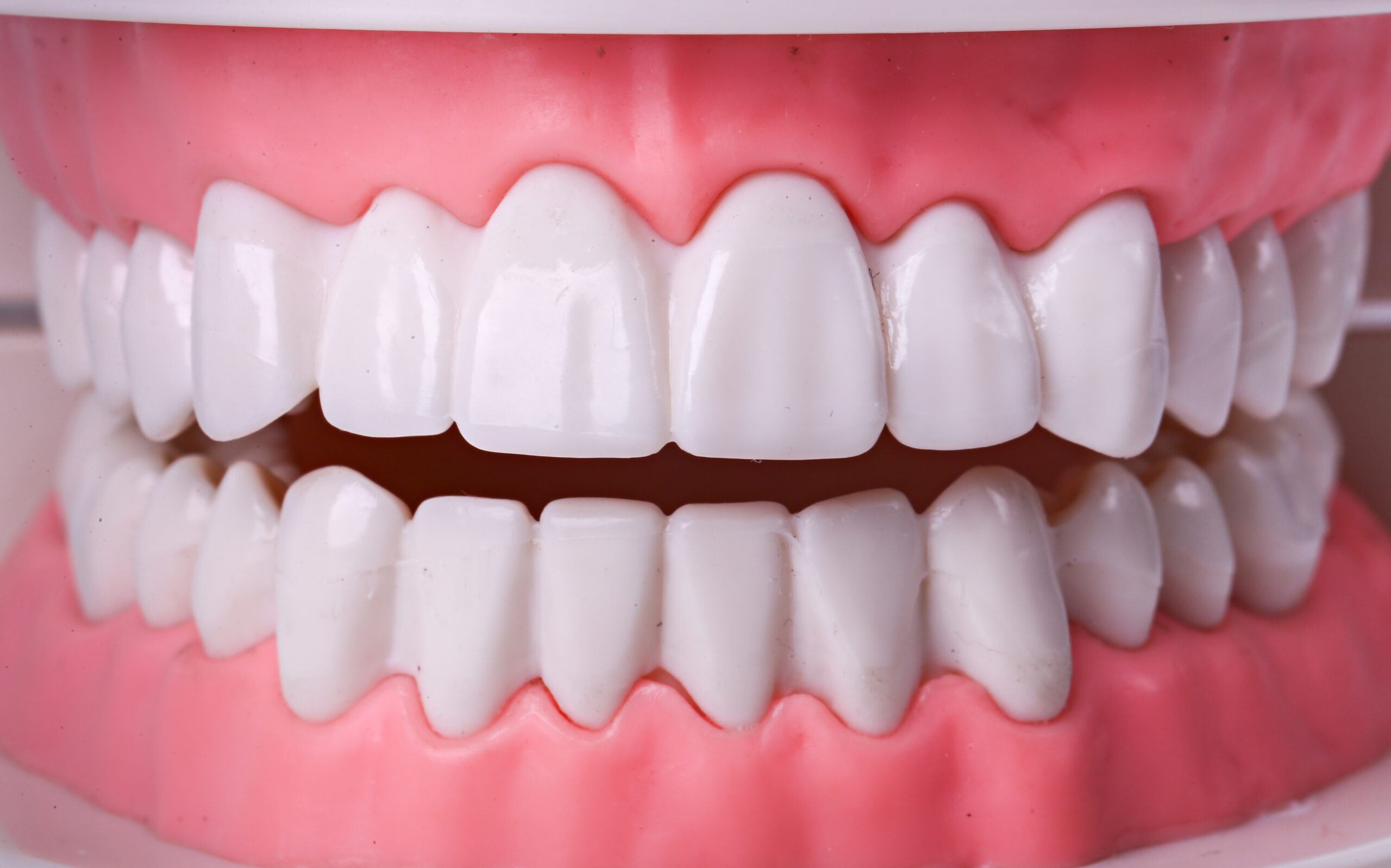
You spit after brushing and spot a pink streak in the sink. It’s easy to shrug off, but bleeding gums when brushing are worth a second look. Your gums are trying to tell you something, and the cause is often simple to find.
Key takeaway: healthy gums rarely bleed, so regular bleeding is a good reason to book a check-up. It’s not a reason to stop brushing.
This guide covers why your gums might bleed and what you can try at home. It also explains when to see our team at MySolutions Dental Clinic in Crows Nest.
Is It Normal for Gums to Bleed When You Brush?
It’s common, but it isn’t a sign of healthy gums. healthdirect explains that bleeding after brushing could be a sign of gum disease. This starts when plaque builds up on your teeth and gums.
So if you’re asking, “why are my gums bleeding?”, the answer often starts with plaque. Plaque is the soft, sticky film of bacteria that forms on your teeth every day. When it sits along the gum line, it irritates the gums, and they can turn red, puffy and tender.
Common Causes of Bleeding Gums
Bleeding gums causes can range from everyday habits to changes in your health. Here are some of the most common:
- Plaque build-up. Plaque that isn’t cleaned away each day can irritate your gums and lead to gingivitis.
- Hardened plaque (tartar). Once plaque hardens, brushing can’t remove it, so it keeps irritating the gums.
- Brushing too hard. The Australian Dental Association says pressing too hard can damage your teeth and wear out your bristles. It may irritate your gums too.
- Starting to floss. Bleeding gums when flossing can happen if your gums are already inflamed, or if you floss with too much force.
- Hormonal changes. Shifts in hormones, such as during pregnancy, can leave you with swollen gums that bleed more easily.
- Other health factors. Some medicines and medical conditions can also affect your gums, which is why your dentist asks about your health history.
Because so many things can cause bleeding, it’s hard to guess the reason from home. A dental examination is the only way to find out what’s behind it.
What Is Gingivitis?
Gingivitis is the early stage of gum disease. Your gums become red and puffy, and they may bleed when you brush. It’s more common than many people expect. healthdirect reports that about 3 in 10 Australian adults have moderate to severe gum disease.
The encouraging part is that gingivitis only affects the outer layers of the gums. With good daily care and a professional clean, it can often be reversed. If it isn’t treated, it may progress to periodontitis. This is a more advanced form of gum disease that affects the tissues supporting your teeth.
Gingivitis can be easy to miss, and bleeding is often one of the first signs.
Related: Receding Gums: What Causes Them and Can They Grow Back?
What You Can Do at Home
Small changes to your daily routine may help your gums settle. Here are some steps to try:
- Keep brushing, gently. Even if your gums bleed, healthdirect advises that you continue to brush gently twice a day.
- Choose a soft-bristled toothbrush. The Australian Dental Association recommends soft bristles and two minutes of brushing each time.
- Aim for the gum line. Point the bristles towards where your teeth meet your gums, and use small, gentle circles.
- Clean between your teeth daily. Floss or interdental brushes remove food and bacteria that your toothbrush can miss.
- Use fluoride toothpaste. Pair it with your soft-bristled toothbrush for twice-daily brushing.
- Replace your toothbrush every three months. Worn bristles don’t clean as well.
- Keep a quick note. Jot down when the bleeding happens and how long it lasts, so you can share it at your appointment.
These habits support healthy gums, but they don’t replace a dental examination. If the bleeding continues, it’s time to get it checked.
When to See a Dentist
healthdirect recommends seeing a dental professional as soon as possible if your gums are swollen or bleeding. The same applies if your teeth feel loose. Make an appointment if you notice:
- Gums that bleed regularly when you brush or floss
- Red, swollen or tender gums
- Bad breath that doesn’t go away
- Gums that seem to be pulling back from your teeth
- Teeth that feel loose
If you notice bleeding gums during pregnancy, mention it at your next visit so your dentist can check your gums. And if bleeding from your mouth is heavy or won’t stop, seek urgent medical help.
What Happens at a Check-Up?
At a check-up and clean, your dentist examines your teeth and gums, and may take digital X-rays if needed. A scale and clean then removes plaque and tartar from areas your toothbrush can’t reach. You’ll also get personalised advice on caring for your gums at home.
Your Gums Are Worth a Closer Look
Bleeding gums when brushing can come from plaque, brushing habits, hormonal changes or early gum disease. A dental examination can help find the cause, and gentle daily care supports healthier gums.
If you’ve noticed bleeding, a dental check-up and clean at MySolutions Dental Clinic is a simple place to start. When you’re ready, you can book an appointment online, and our Crows Nest team will take it from there.
Disclaimer: This article is general information only and isn’t a substitute for personal advice from a registered dentist or doctor. Only an examination can find the cause of bleeding gums, and the right care depends on your individual needs.
Frequently Asked Questions
Should I Stop Brushing if My Gums Bleed?
No. healthdirect advises that you keep brushing gently twice a day, even if brushing causes bleeding. Use a soft-bristled toothbrush and light pressure. If the bleeding doesn’t settle, book a check-up so your dentist can look at your gums.
Is It Normal for Gums to Bleed When You Start Flossing?
Some people notice a little bleeding when they first start, because their gums may already be inflamed. healthdirect says it’s still important to keep brushing and flossing when your gums bleed. If the bleeding carries on, ask your dentist to check your technique.
Can Bleeding Gums Be a Sign of Something Other Than Gum Disease?
Yes. Possible causes include mouth ulcers or an injury to your mouth or teeth, as well as gum disease. Only an examination can find the cause, so it’s best to have it checked.
What Is the Treatment for Bleeding Gums?
Bleeding gums treatment depends on the cause. For gingivitis, healthdirect explains that treatment involves removing plaque from your teeth. Your dentist can recommend the right next steps after an examination.