
Do you ever wake up with a sore jaw or a dull headache? You might not realise it, but you could be experiencing teeth grinding at night.
Many people grind or clench their teeth during sleep without knowing it. While others ignore this, there is something deeper behind it.
This condition is commonly known as sleep bruxism. Over time, if teeth grinding is left untreated or unmonitored, it can affect your teeth, jaw, and overall comfort.
Let’s explore the signs, causes, and how dental splints may help protect your smile.
What Is Teeth Grinding at Night?
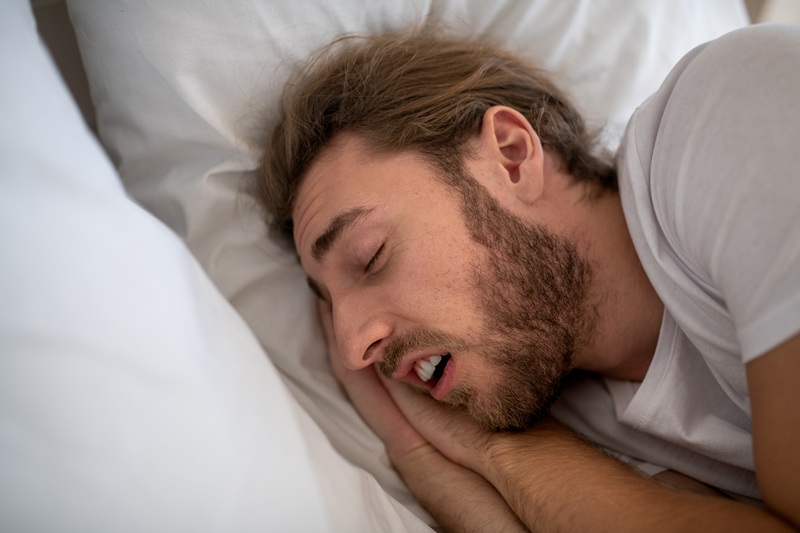
Teeth grinding at night (sleep bruxism) is when you clench or grind your teeth while you’re asleep. Because it happens during sleep, most people don’t realise they are doing it.
You might only become aware of teeth grinding at night if someone hears the grinding sound, or if you start noticing symptoms like a tight jaw or sore teeth. Often, it’s first picked up during a dentist check-up for grinding signs, where they can spot early wear on the teeth or changes in how the teeth are meeting together.
Here are some common signs of nighttime grinding.
Common Signs of Night-Time Teeth Grinding
Teeth grinding at night can put a lot of pressure on your teeth and jaw. People who do this at night may not be aware of this, but they may exert up to 250 pounds of force. Over time, that pressure may start to show up as symptoms.
You may notice:
- Jaw pain in the morning or tight jaw muscles
- Headaches from teeth grinding, especially after waking up
- Worn or flattened teeth
- Cracked teeth from grinding
- Tooth sensitivity when chewing or drinking hot/cold
- Clicking, stiffness, or soreness in the jaw (sometimes linked with TMJ discomfort and bruxism)
If any of these sound familiar, a dental assessment can help confirm what’s going on.
Why Do People Grind Their Teeth?
There is not always one clear cause as to why people grind during their sleep. However, it may be associated with different causes.
Common reasons can include:
- Stress-related bruxism
- Anxiety or tension
- Bite changes
- Sleep disturbances
- Clenching teeth during sleep as a habit
Stress is a common factor. Research has shown that stress and bruxism are associated. When your body is under stress, your muscles can stay tense even at night, so your jaw may tighten without you noticing.
What Can Happen If Teeth Grinding Is Left Untreated?
Grinding once in a while may not cause major issues. But if it happens often, teeth grinding at night can lead to problems over time.
It may cause:
- Worn or flattened teeth that become more sensitive
- Cracked teeth from grinding or chipped edges
- Ongoing jaw discomfort or tightness
- More frequent headaches from teeth grinding
- Changes in how your teeth fit together when you bite
The earlier it’s picked up, the easier it can be to protect your teeth and reduce discomfort.
One common way to manage teeth grinding is with dental splints.
How Can Dental Splints Help?
One of the most helpful ways to protect your teeth from teeth grinding at night is with dental splints.
A teeth grinding splint is a custom-made mouthguard you wear while you sleep (many people also call it a night guard for teeth grinding). It is designed to fit your teeth closely, so it feels comfortable and stays in place.
A dental splint can help by:
- Acting like a cushion between your top and bottom teeth
- Reducing wear and tear, helping lower the risk of chipped or cracked teeth
- Easing pressure on the jaw muscles and jaw joint
- Helping protect dental work, like fillings or crowns
It’s important to know that a splint does not stop the grinding itself. Instead, it helps reduce damage and discomfort while you sleep, which can make a big difference over time.
When Should You See a Dentist for a Dental Splint?
You should consider booking a visit if you notice:
- Ongoing jaw pain in the morning
- Frequent headaches from teeth grinding
- Worn or flattened teeth
- Cracked teeth from grinding
- Ongoing TMJ discomfort and bruxism
A proper assessment helps identify the cause and determine whether a teeth grinding splint may be suitable for you.
Aside from that, if your dentist offers customised dental splints, you will experience more comfort and a snug fit, since a personalised one is made exactly to fit your teeth.
Protect Your Smile While You Sleep
Teeth grinding at night often goes unnoticed until damage appears. The good news is that early care can help protect your teeth and ease discomfort.
If you suspect you may be grinding your teeth, a simple check-up can provide clarity and guidance. Our team at My Solutions Dental Clinic in Crows Nest is here to assess your symptoms, explain your options clearly, and recommend whether dental splints are appropriate for your needs.
Book your consultation today and take a step toward protecting your smile while you sleep.
Frequently Asked Questions
What is teeth grinding at night?
Teeth grinding at night, also known as sleep bruxism, is when you clench or grind your teeth while you are asleep. Most people do not realise they are doing it.
It is often discovered during a dentist check-up for grinding signs or when symptoms begin to appear.
What are the signs of teeth grinding?
Common signs include jaw pain in the morning, headaches from teeth grinding, worn or flattened teeth, cracked teeth from grinding, tooth sensitivity, and jaw clicking or stiffness. These symptoms can develop over time if grinding continues.
Why do people grind their teeth during sleep?
There is not always one clear cause. Teeth grinding may be linked to stress-related bruxism, anxiety, bite changes, sleep disturbances, or clenching teeth during sleep as a habit.
Research has shown that stress and bruxism are associated.
What can happen if teeth grinding is left untreated?
If teeth grinding at night continues, it may lead to worn or flattened teeth, cracked teeth from grinding, ongoing jaw discomfort, frequent headaches, and changes in how your teeth fit together. Early assessment can help reduce the risk of long-term damage.
How do dental splints help with teeth grinding?
Dental splints are custom-made mouthguards worn at night. A teeth grinding splint (also called a night guard for teeth grinding) acts as a cushion between your teeth.
It helps reduce wear, lower the risk of chipped or cracked teeth, ease jaw pressure, and protect dental work. While it does not stop grinding, it helps reduce damage and discomfort.