
Losing a tooth can affect more than just your smile. It can make eating harder, change how you speak, and even impact your confidence. If you have lost a tooth, you may be wondering about your tooth replacement options.
Fortunately, there are already various replacement options that you can choose from. One common solution is dental implants. But what exactly are they, and why do you need a dental implant?
Let’s explore what kind of tooth replacement dental implants are, how they can help, and why you may need one.
What Is a Dental Implant?
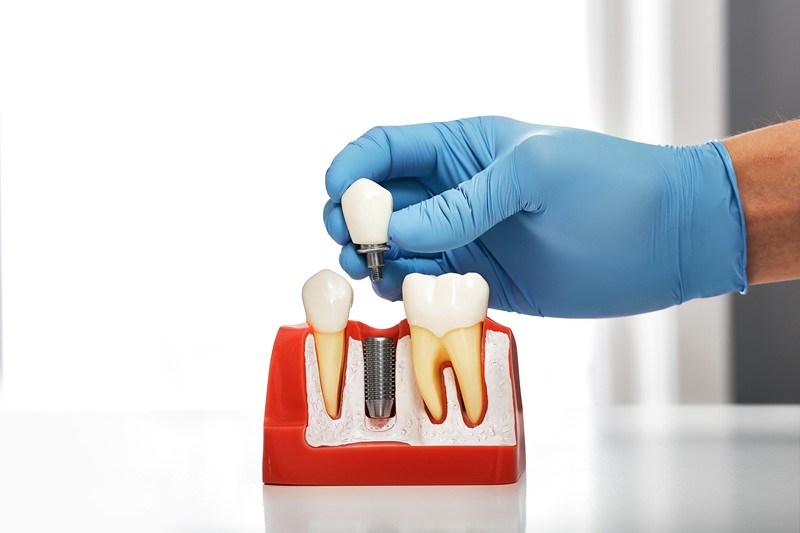
A dental implant is a small post placed into your jawbone to replace the root of a missing tooth. The post is usually made from titanium, which is usually called a titanium dental implant post.
Why is titanium used for the procedure? Because titanium can safely join with the bone, and over time, the bone grows around the implant and holds it firmly in place.
Once the surgery site has healed, a custom-made crown is attached on top. This is known as an implant-supported crown. The ideal result of this implant and crown combination should look and feel similar to a natural tooth.
Why Do You Need a Dental Implant?
If you have a missing tooth and you’re thinking of a replacement, you’re already on the right track. It is important not to ignore the space because this will be the reason why you will have a hard time eating and talking. It will also affect your confidence.
When a tooth is missing, what many do not know is that:
- Nearby teeth may shift
- Chewing can become uneven
- The jawbone may shrink
- Your bite may change
The World Health Organisation even mentioned that bone loss after tooth loss can begin soon after a tooth is removed. Without stimulation from a tooth root, the jawbone can gradually reduce in volume.
This is one reason dental implants are often recommended. The implant acts like a tooth root and helps support the bone.
Another important reason is that a dental implant is designed to be a long-term option for missing tooth replacement. With proper care and monitoring, many dental implants may last for many years.
Unlike some other tooth replacement options that may need regular adjustments or replacement, implants are placed securely into the jawbone. This gives them strength and stability over time.
If you are asking yourself, “why do you need a dental implant?” — the answer often relates to function, bone support, and long-term stability.
Benefits of Dental Implants
Many people choose dental implants because they feel close to a natural tooth and can be a long-term solution. But there is more to it than just those two.
Dental implants can:
- Look natural and blend in with your smile
- Feel stable when you eat and speak
- Protect nearby teeth (they don’t rely on adjacent teeth for support)
- Help reduce bone loss after tooth loss by supporting the jawbone
- Support normal chewing, so food feels easier to manage
However, like any treatment, dental implants are not right for everyone who has a missing tooth. So, who are suitable candidates for dental implants?
Who Is Suitable for Dental Implants?
Many adults may be suitable for dental implants, but it typically depends on your oral health and overall health. Dental implants are not the same as fillings, which can be easily done once there is tooth decay.
With dental implants, your oral health must be in good condition to ensure the implant fuses well with your jawbone without complications.
Your dentist will usually check:
- Gum health (healthy gums help the implant stay stable)
- Bone levels (the implant needs enough bone support)
- Smoking (smoking can slow healing)
- Medical conditions and medications (some can affect healing)
The simplest way to confirm your suitability for dental implants is to book an assessment, where we can check your teeth, gums, and jawbone and talk through your options.
What Happens During the Dental Implant Procedure?
The dental implant procedure is done in stages. That means it does not finish in just one visit. Here is an overview of what you may expect in a dental implant procedure.
Step 1: Assessment
First, you will have a dental implant consultation. During this visit, your dentist will:
- Examine your mouth
- Take X-rays or scans
- Check bone levels
- Discuss your medical history
This helps determine your suitability for dental implants. If not, your dentist can offer different options for you to consider.
Step 2: Placing the Implant
During the dental implant procedure, the titanium dental implant post is placed into the jawbone. The area is carefully numbed to ensure comfort. After placement, healing begins.
Step 3: Healing Period
The dental implant healing time usually takes several months. During this time, the bone joins with the implant in a process called osseointegration.
This is the most important step in your dental implant procedure, as proper healing and integration are key to long-term implant stability. Your dentist will also monitor your progress during follow-up visits.
Step 4: Crown Placement
Once healing is complete, a crown will be attached to protect your implant and serve as your new tooth. The implant-supported crown will also be shaped and coloured to blend with your natural teeth.
Let’s Talk About Replacing Your Missing Tooth
Living with a missing tooth can feel frustrating, and it’s easy to put treatment off when life gets busy. But replacing a missing tooth can help you chew more comfortably, feel more confident when you smile, and protect your mouth from further changes over time.
If you’ve been thinking about dental implants, the best first step is a friendly chat with a dental implant dentist. When you are in Crows Nest, NSW or in the suburbs near it, a dental implant consultation with our team at MySolutions Dental Clinic lets us check your teeth, gums, and jawbone, talk through your tooth replacement options, and explain the dental implant procedure.
Book your consultation with our dental implant dentist for more information.
Frequently Asked Questions
What is a dental implant?
A dental implant is a small titanium post placed into the jawbone to replace the root of a missing tooth. Once healed, an implant-supported crown is attached on top to function like a natural tooth.
Why do you need a dental implant?
You may need a dental implant if you have a missing tooth. When a tooth is missing, nearby teeth can shift, chewing may become uneven, and the jawbone may shrink. A dental implant helps support the bone and restore normal function.
Is a dental implant a long-term tooth replacement option?
Yes. A dental implant is designed to be a long-term option for missing tooth replacement. With proper care and monitoring, many dental implants may last for many years because they are securely placed into the jawbone.
What happens during the dental implant procedure?
The dental implant procedure is completed in stages:
- Dental implant consultation and assessment
- Placement of the titanium dental implant post
- Healing period (osseointegration)
- Placement of the implant-supported crown
The healing time usually takes several months before the crown is attached.
Who is suitable for dental implants?
Suitability for dental implants depends on your oral health and overall health. Your dentist will check your gum health, bone levels, smoking habits, and medical history. The best way to confirm your suitability is through a dental implant consultation.
Disclaimer: The information written in this blog is general in nature and should not replace personalised dental advice. Please speak with a qualified dentist for an assessment.