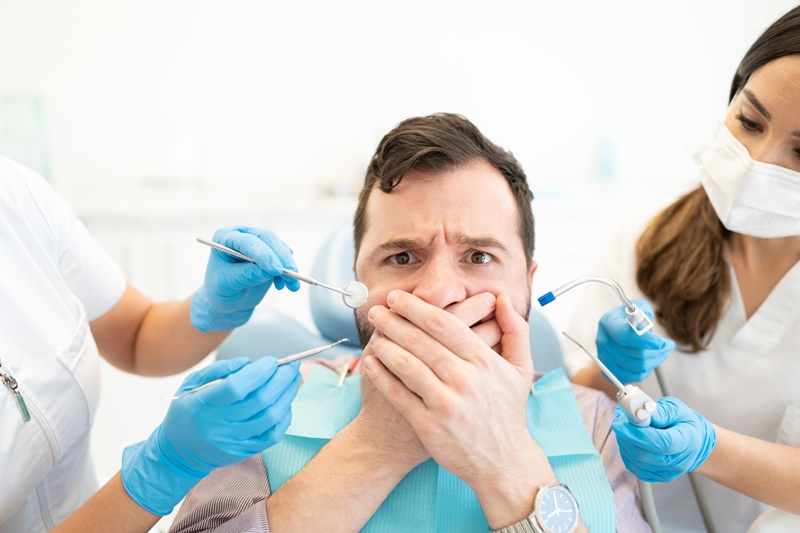
Feeling nervous before a dental appointment is far more common than most people realise. For some, it is a few butterflies in the waiting room. For others, the fear is strong enough to put off going for years.
High dental fear affects about one in seven Australian adults, making it one of the most common anxiety-related concerns in the country.
The good news is dental anxiety can be managed. With the right support, clear communication, and a few practical techniques, even very nervous patients can get the care they need.
Let’s help you manage your fears when going to the dentist.
What Is Dental Anxiety?
Dental anxiety is a feeling of unease, stress, or fear connected to visiting the dentist. It is not a single, fixed experience. Instead, it sits on a spectrum, and understanding where you fall can help you and your dentist plan the right approach.
- Mild anxiety — some nervousness before or during a visit, but you can still attend
- Dental phobia — a much stronger, sometimes overwhelming fear (also called odontophobia) that can lead to avoiding the dentist altogether
Both are valid, and both can be worked with. Research shows that dental fear and anxiety affect around 16% of adults and 10% of children in Australia, so dental teams are very used to supporting patients who feel this way. Naming what you feel is often the first step towards managing it.
Why Do People Feel Scared of the Dentist?
There is almost always a reason behind the fear, even if it is not obvious at first. Pinning down your particular triggers helps your dentist adjust their approach so your visit feels more manageable.
Some of the most common causes include:
- A difficult past experience, particularly one involving pain or feeling rushed
- Fear of needles, drills, or specific instruments
- A sense of losing control while lying back in the chair
- Embarrassment about the condition of your teeth or how long it has been since your last visit
- The clinical environment itself — the sounds, the smells, or the setting
- White coat anxiety, where medical or dental settings raise stress on their own
Interestingly, cost is also a major factor since dental treatments tend to get expensive, especially when there are more than one or more complex treatments involved. If cost is a worry for you, it’s best to raise this concern early, as many practices can talk through payment options before any treatment begins.
How to Manage Dental Anxiety During Your Visit
Once you are in the chair, small techniques can make a real difference to how the appointment feels. Learning how to manage dental anxiety at the moment gives you tools you can rely on at every visit.
- Focus on your breathing. Slow breaths in through the nose and out through the mouth help calm your body’s stress response.
- Bring headphones. Music, a podcast, or an audiobook can distract from clinical sounds.
- Ask for the tell-show-do approach. Your dentist explains each step, shows you the instrument, then carries it out, so nothing comes as a surprise.
- Use grounding techniques. Pressing your feet into the floor or holding a small object can anchor you if you start to feel overwhelmed.
The aim is not to feel absolutely nothing, but to bring the fear down to a level you can manage, so you can get through the appointment and look after your teeth.
Dental Anxiety Treatment: When You Need More Support
For stronger fear, calming techniques alone may not be enough, and that is completely okay. There are clinical options for dental anxiety treatment that your dentist can talk you through, depending on your situation and the treatment planned.
- Sedation options, which help you feel more relaxed during treatment
- Nitrous oxide (often called happy gas), a mild, short-acting option that wears off quickly
- Longer or split appointments, so nothing feels rushed
- A referral for psychological support, such as cognitive behavioural strategies, if the fear is deeply rooted
Not every option suits every patient, and availability varies between practices, so the best starting point is a conversation with your dental team. Managing fear well also protects your long-term health, since dental fear is linked to poorer oral health outcomes when it leads people to delay care.
Putting off treatment can turn a small, manageable problem into one that later needs emergency dental care.
Start Slow with Your Dental Journey
Being scared of the dentist but needing treatment is a genuinely tough position. However, avoidance tends to make dental problems bigger over time, which then makes future visits feel even more daunting. It becomes a cycle, and breaking it usually starts with small, low-pressure steps.
- Book a talk-only visit first. No treatment, just a chance to meet the team, see the space, and discuss your concerns.
- Tell your dentist how you feel from the start. A dentist who knows you are anxious can slow the pace and explain things as they go.
- Agree on a stop signal. Something as simple as raising your hand tells the dentist to pause, which helps you feel in control.
- Bring a support person. A familiar face in the room can make the whole experience feel less clinical.
Starting with a straightforward, low-stress appointment, such as a routine check-up and clean, is often a gentle way to rebuild confidence before moving on to any treatment you might need.
Take the First Step at a Pace That Feels Right
Fear of the dentist is real and valid, but it does not have to stand between you and a healthy smile. If you think you need to have your dental checkup and clean in Crows Nest, NSW, but still fear the dentist, our team at MySolutions Dental Clinic can help you manage your dental anxiety seriously and will find ways to work at a pace that feels comfortable for you.
Book an appointment with our team today, and let’s take that first step together.
Disclaimer: The information written in this blog is general in nature and should not replace personalised dental advice. Please speak with a qualified dentist for an assessment.
Frequently Asked Questions
Is dental anxiety common?
Yes, very. High dental fear affects roughly one in seven Australian adults, and milder nervousness is even more widespread. Dental teams are well used to supporting anxious patients.
Can I ask for sedation just because I feel anxious?
It is worth discussing with your dentist. They will assess whether sedation or nitrous oxide is suitable based on your health and the treatment planned. Availability can vary between practices.
Does getting a tooth pulled hurt?
The area is numbed with local anaesthetic first, so you should not feel pain during the procedure itself. Some tenderness afterwards is normal and usually settles within a few days.
How can I calm down at the dentist quickly?
Slow, controlled breathing, listening to music through headphones, and agreeing on a stop signal with your dentist are all simple techniques that can help settle nerves in the moment.
Will my dentist judge me if I have avoided visits for years?
No. A good dental team focuses on helping you move forward, not on how long it has been. Being upfront about your history actually helps them tailor your care.