

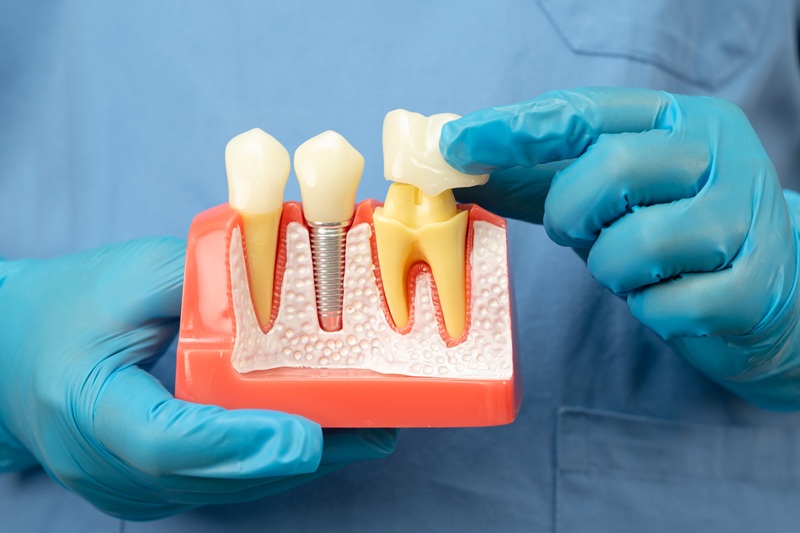
If your dentist has mentioned that a tooth may need a crown, you might be wondering what that actually means. Dental crowns are one of the most common restorative treatments in dentistry, and for good reason. They serve an important purpose, both in protecting damaged teeth and restoring normal function.
Here is a straightforward guide to what dental crowns are, when they are used, and what the procedure involves.
What Is a Dental Crown?
A dental crown is a tooth-shaped cap that is placed over an existing tooth to restore its shape, strength, size, and appearance. Once cemented in place, it covers the entire visible portion of the tooth above the gumline.
Dental crowns are custom-made to match the colour and shape of your surrounding teeth, so the result looks and feels as natural as possible.
What Do Dental Crowns Do?
The primary purpose of a dental crown is to protect and restore a tooth that has been damaged, weakened, or significantly altered. Depending on the situation, a crown may:
- Protect a cracked or broken tooth from further damage
- Restore a tooth that has been severely worn down
- Cover and strengthen a tooth following root canal treatment
- Replace a large filling when there is not enough natural tooth structure remaining
- Improve the appearance of a badly discoloured or misshapen tooth
- Anchor a dental bridge in place
- Complete a dental implant restoration
In each of these situations, the crown is doing an important structural job, not just a cosmetic one.
Reasons You Might Need a Crown
A dentist will recommend a crown when a tooth is no longer strong enough to function reliably on its own, or when a filling is not sufficient to address the level of damage present.
Some of the most common reasons include:
A cracked or broken tooth — a crack that extends into the structure of the tooth can worsen with biting pressure over time. A crown holds the tooth together and prevents the crack from spreading further.
After root canal treatment — once the pulp has been removed and the tooth sealed, it becomes more brittle and vulnerable to fracture. A crown placed over the tooth restores its strength and protects it from breaking.
Severe decay — when decay has destroyed too much of the tooth for a filling to be a reliable solution, a crown provides full coverage and restores the tooth’s function.
Worn teeth — teeth worn down from grinding (bruxism) or acid erosion may eventually need crowns to restore their height and function. This is related to why managing grinding early, such as with a dental splint, is so important in preventing more extensive treatment down the track.
Types of Dental Crowns
Crowns can be made from several different materials, each with its own advantages:
Zirconia — strong, durable, and tooth-coloured. Zirconia crowns are a popular choice for both front and back teeth, offering excellent aesthetics and long-term reliability.
Porcelain — highly natural in appearance and well-suited to front teeth, where aesthetics are the priority.
Porcelain-fused-to-metal — combines the strength of a metal base with a porcelain outer layer. A reliable option, though the metal margin may become visible over time near the gumline.
Metal — extremely durable and well-suited to back teeth where biting forces are greatest. Less commonly used today due to the visibility of the material.
Your dentist will recommend the most appropriate type based on the location of the tooth, your bite, and your individual needs.
What Does the Dental Crown Procedure Involve?
The dental crown procedure is typically completed over two appointments.
At the first appointment, you will be assessed by the dentist whether your tooth, indeed, needs a dental crown treatment. When they are suitable, you will go through the procedure right after.
The tooth will be prepared by reshaping it to create space for the crown. An impression or digital scan is taken and sent to a dental laboratory where the crown is custom-fabricated. A temporary crown is placed to protect the tooth in the meantime.
At the second appointment, the temporary crown is removed, and the permanent crown is checked for fit, shape, and colour before being permanently cemented in place.
As with all dental treatment, keeping up with regular check-ups after a crown is placed ensures your dentist can monitor it over time and address any issues early.
How Long Do Dental Crowns Last?
With good oral hygiene and regular dental visits, dental crowns can last many years. The longevity depends on the material used, the location of the crown, and how well it is cared for at home.
Crowns on back teeth are subject to greater biting forces and may show wear sooner than those on front teeth. Patients who grind their teeth may also wear through crowns more quickly, which is another reason why addressing bruxism proactively is worthwhile, as we discussed in our blog on what a dental splint is and who might need one.
A Stronger, Healthier Tooth Starts Here
A dental crown is one of the most effective ways to give a damaged or weakened tooth a new lease on life. Whether it is protecting a tooth after root canal treatment, restoring one that has cracked, or completing an implant, a well-placed crown can make a significant difference to both function and confidence.
At MySolutions Dental Clinic in Crows Nest, we take a careful, considered approach to every crown, from the initial assessment through to the final fit. If you have been told you may need a dental crown, or if you have a tooth that does not feel quite right, our team is here to help.
Book a consultation today and let us take a look.
Disclaimer: The information written in this blog is general in nature and should not replace personalised dental advice. Please speak with a qualified dentist for an assessment.
Frequently Asked Questions
What is a dental crown used for?
A dental crown is used to protect, restore, and strengthen a tooth that has been damaged, weakened, or significantly altered. Common reasons include cracked teeth, severe decay, teeth that have had root canal treatment, and completing a dental implant restoration.
How long does the dental crown procedure take?
The process is typically completed over two appointments. The first involves preparing the tooth and taking impressions; the second involves fitting and cementing the permanent crown. The time between appointments allows the crown to be custom-fabricated in a dental laboratory.
Do dental crowns look natural?
Yes. Crowns are custom-made to match the colour, shape, and size of your surrounding teeth. Modern materials such as zirconia and porcelain produce highly natural-looking results.
How long do dental crowns last?
With proper care and regular dental visits, crowns can last many years. Longevity depends on the material, the location of the tooth, and at-home oral hygiene. Patients who grind their teeth may experience faster wear and should discuss protective options with their dentist.
Is the dental crown procedure painful?
The procedure is carried out under local anaesthesia, so the tooth and surrounding area are numb throughout. Some tenderness after the appointment is normal and usually settles within a few days.
What is the difference between a crown and a filling?
A filling restores a portion of a tooth, while a crown covers the entire visible surface above the gumline. A crown is recommended when there is not enough healthy tooth structure remaining for a filling to provide reliable, long-term protection.