
The words “root canal” tend to make people uneasy, but in reality, the procedure is far less daunting than its reputation suggests. More importantly, knowing the signs that you might need it may help you avoid far greater discomfort down the track.
Root canal treatment addresses infection or damage deep within a tooth, at the level of the pulp and nerve. When that inner tissue becomes infected or dies, the consequences can escalate quickly, like spreading to surrounding teeth, the gum, and in serious cases, the jawbone.
Catching the signs early makes a significant difference to both the outcome and your overall oral health.
What Is a Root Canal Treatment?
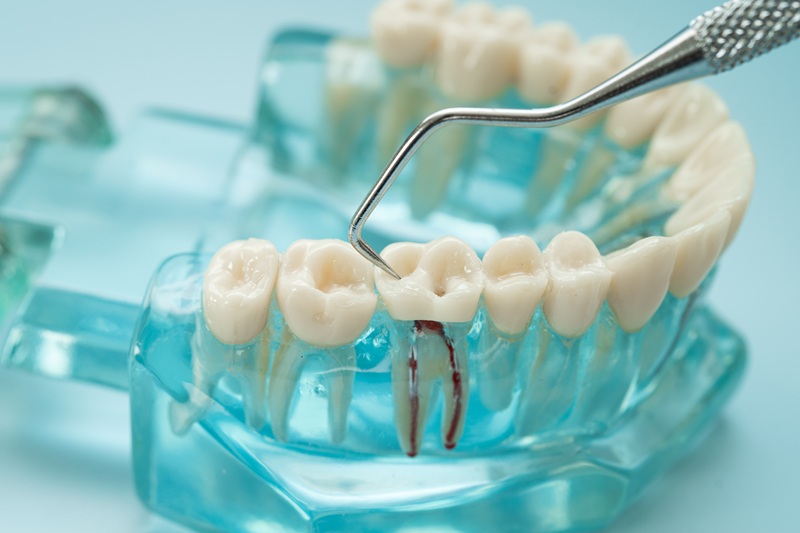
The pulp is the soft tissue at the centre of each tooth, containing nerves and blood vessels. When bacteria reach the pulp through deep decay, a crack, or trauma, infection can develop.
This is where root canal therapy may help.
Root canal treatment involves removing the infected pulp, cleaning and sealing the root canals. In most cases, a dental crown is placed to restore the tooth’s strength. The aim is always to save the natural tooth, which is almost always preferable to extraction.
Signs You May Need a Root Canal
Severe or Persistent Toothache
A toothache that is intense, throbbing, or does not ease with over-the-counter pain relief deserves prompt attention. Pain that radiates from one tooth into the jaw, ear, or surrounding teeth is a common indicator of pulp involvement.
It is worth noting that not all root canal cases involve obvious pain, which is why regular dental check-ups remain important even when things seem fine.
Prolonged Sensitivity to Hot and Cold
Some tooth sensitivity is normal, but sensitivity that lingers well after the hot or cold stimulus has been removed is a different matter.
If heat or cold triggers discomfort that lasts for more than a few seconds, this may indicate that the nerve inside the tooth is inflamed or dying. One of the more common root canal symptoms that should not be dismissed.
Pain When Biting or Chewing
Discomfort when applying pressure to a tooth can indicate infection or inflammation at the root tip. If a tooth has become consistently uncomfortable during eating, it is time to see a dentist.
Swollen or Tender Gums Near a Tooth
A small raised bump or localised swelling on the gum near a specific tooth can be a sign of an abscess, a pocket of infection at the root tip. Facial swelling from a tooth infection signals a more urgent situation.
When that happens, it is better to know what constitutes a dental emergency ahead of time and seek care without delay.
A Tooth That Has Darkened
A tooth that has become grey or noticeably darker than surrounding teeth may indicate that the nerve inside has died. This can happen following trauma, even if the injury occurred some time ago. Tooth discolouration does not always cause pain, which is why it can easily go unnoticed until a dentist spots it.
A Cracked Tooth With Nerve Damage
When a crack extends deep enough to reach the pulp, bacteria can enter and infection can follow. As explored in our blog on signs your wisdom teeth are affecting your other teeth, pressure and crowding in the mouth can sometimes contribute to cracks, which is another reason why monitoring dental health regularly is worthwhile.
Root Canal vs Extraction
As mentioned earlier, dentists would typically want to save your natural tooth, and here’s why.
Saving the natural tooth through root canal treatment is almost always the better long-term option. Losing a tooth creates a gap that can lead to neighbouring teeth shifting, bite changes, and over time, bone loss in the jaw.
While replacing a missing tooth with a dental implant is possible, it is a more involved process than preserving the original tooth through timely treatment. Aside from that, it is also more expensive to have a dental implant than a root canal treatment.
Do Not Wait for the Pain to Get Worse
Root canal symptoms do not always follow a predictable pattern. Some people experience significant pain from the outset; others have very little discomfort even as the infection progresses.
In some cases, pain may temporarily reduce when the nerve dies, which gives a false sense that the problem has resolved. Unfortunately, it has not. Infection in the tooth does not go away without treatment, and delaying care allows it more time to spread.
A Painful Tooth Deserves Proper Care
Root canal treatment has come a long way, and for most patients, the experience is far more straightforward than anticipated. The real discomfort comes from leaving an infected tooth unaddressed for too long.
If you are experiencing tooth pain, sensitivity, swelling, or any of the signs described above and have been considering root canal treatment, our team at MySolutions Dental Clinic in Crows Nest is here to help.
Book a consultation to get your oral health assessed and know your options.
Disclaimer: The information written in this blog is general in nature and should not replace personalised dental advice. Please speak with a qualified dentist for an assessment.
Frequently Asked Questions
What are the signs you need a root canal?
The most common signs include:
- Severe or persistent toothache
- Lingering sensitivity to hot and cold
- Pain when biting or chewing
- Swollen or tender gums near a tooth
- A darkened tooth
- A cracked tooth with ongoing discomfort
A dentist can confirm whether root canal treatment is needed through an examination and X-rays.
Is root canal treatment painful?
Most patients find root canal treatment no more uncomfortable than having a filling. It is carried out under local anaesthesia, so the tooth and surrounding area are numb throughout the procedure. Any mild soreness afterwards is typically manageable with standard pain relief.
What happens if you leave an infected tooth untreated?
An untreated tooth infection does not resolve on its own. It can spread to the surrounding gum tissue, neighbouring teeth, and in serious cases, the jawbone. Prompt treatment is always the safer and less costly option in the long run.
Can a tooth still hurt after root canal treatment?
Some tenderness in the days following treatment is normal as the surrounding tissues settle. This typically fades within a week. However, persistent or worsening pain after that point should be reported to your dentist.
How long does a root canal take?
Most root canal treatments are completed in one to two appointments, depending on the complexity of the case and whether infection needs time to settle before the tooth is sealed.
Your dentist will give you a clear timeline during your consultation.
What is the difference between root canal treatment and extraction?
Root canal treatment saves the natural tooth by removing the infected pulp and sealing the root canals. Extraction removes the tooth entirely.
Saving the natural tooth is generally the preferred approach, as losing a tooth can lead to shifting of neighbouring teeth, bite changes, and bone loss over time.