Finding a sore in your mouth is unsettling, especially once you start searching online and the word “cancer” shows up in the results. Take a breath first: the vast majority of mouth sores are completely harmless and heal on their own within a couple of weeks.
Still, it’s worth knowing what sets a common mouth ulcer apart from something that needs a proper look. The biggest clue is time. Most ulcers heal within two weeks, but a sore that doesn’t is the main thing worth getting checked.
Here’s what actually distinguishes the two, and when it’s worth booking an appointment.
What Is a Mouth Ulcer?
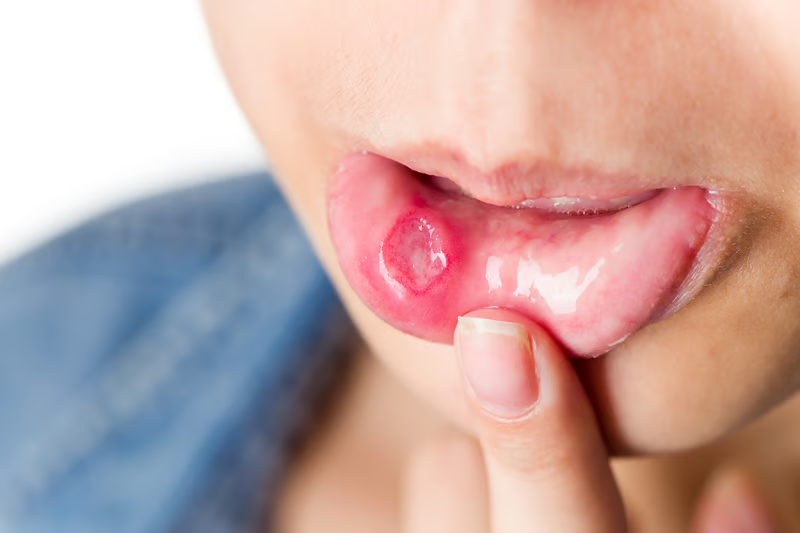
A mouth ulcer, also called an aphthous ulcer or canker sore, is a small, usually round sore that develops inside the cheeks, lips, tongue, or gums. They’re extremely common and can be triggered by minor injury (like biting your cheek), stress, certain foods, or a rundown immune system.
Ulcers are typically:
- Painful, especially with hot, spicy, or acidic food
- Round or oval, with a white or yellow centre and a red border
- Single or in small clusters
- Gone within one to two weeks without treatment
So how long do mouth ulcers last? Most clear up within seven to fourteen days. If a sore is still there after two to three weeks, that’s when it starts to fall outside the “normal ulcer” pattern.
What Is Mouth Cancer?
Mouth cancer, also known as oral cancer, happens when abnormal cells grow inside the mouth, most often on the lips, tongue, or floor of the mouth. According to healthdirect, regular dental check-ups help catch mouth cancer early, which significantly improves the chances of successful treatment.
It’s far less common than a standard ulcer, and Cancer Council Australia notes that around 769 people were diagnosed with mouth cancer in Australia in 2024, with the average age at diagnosis around 67.
So, what should you be aware of if you have mouth cancer?
Mouth Cancer Symptoms to Be Aware Of
Mouth cancer symptoms can look quite different from a typical ulcer, which is exactly why it’s easy to miss early on. Common oral cancer symptoms include:
- A sore, ulcer, or lump that doesn’t improve, or keeps growing
- A red patch (erythroplakia) or white patch (leukoplakia) on the gums, tongue, or inside the mouth
- Unusual bleeding or numbness in the mouth
- Trouble chewing, swallowing, or moving the tongue
- A lump in the neck
- Loose teeth or dentures that no longer fit properly
An oral mucosal lesion (a patch or sore on the lining of the mouth) that persists, rather than healing, is one of the clearest signals worth having assessed.
Mouth Ulcer vs Mouth Cancer: What’s the Difference?
When comparing a canker sore vs oral cancer, a few practical differences stand out. This mouth cancer-mouth ulcer distinction isn’t about self-diagnosing. It’s about knowing what’s worth mentioning to a professional.
- Healing time — A regular ulcer heals within two weeks. A sore linked to mouth cancer typically doesn’t heal and may slowly grow.
- Pain — Ulcers are usually quite painful. Early mouth cancer is often painless, which is part of why it can go unnoticed.
- Appearance — Ulcers tend to be round with a defined red border. Cancer-related changes are more likely to appear as a persistent red or white patch, or a firm lump.
- Pattern — Ulcers often recur in the same general area and then fully resolve. A persistent, non-healing change in one spot is more of a concern.
The difference between a mouth ulcer and cancer usually comes down to whether it heals. When in doubt, that’s the question worth asking.
What Does Mouth Cancer Look Like?
People often search for “first signs of mouth cancer pictures,” hoping a quick image comparison will settle their mind. In reality, that’s not a reliable way to tell, since early mouth cancer can look similar to several harmless conditions, and appearance varies from person to person.
As the Australian Dental Association explains, oral cancer can have many appearances and often has no symptoms at all in its earliest stages, which is exactly why a professional examination matters more than comparing photos online.
Oral Cancer Risk Factors
Knowing the main oral cancer risk factors can help you judge how closely to monitor any changes in your mouth. The most significant risk factors include:
- Tobacco use, including smoking and chewing tobacco
- Regular or heavy alcohol consumption
- The combination of smoking and drinking together, which multiplies risk
- Prolonged sun exposure on the lips, particularly for cancers affecting the lip itself
Reducing tobacco and alcohol use, and protecting your lips from UV exposure, are the most effective ways to lower your personal risk.
When to See a Dentist for a Mouth Sore
The general rule most dental and cancer authorities agree on is that if a mouth ulcer that won’t heal is still present after two to three weeks, it’s time to have it looked at. This doesn’t mean something serious is definitely going on. Most sores that reach this point still turn out to be harmless. It simply means it’s outside the pattern of a normal ulcer and deserves a proper examination.
A few other signs are also worth booking in for sooner:
- A lump that wasn’t there before
- A red or white patch that doesn’t go away
- Numbness in the mouth
- Unexplained bleeding
Your dentist can examine the area closely and refer you on if anything needs further investigation.
Know the Signs, and Don’t Wait to Get It Checked
Most mouth sores are ordinary ulcers that heal on their own within a couple of weeks, and there’s no need to panic over every one. The detail worth acting on is simple: if a sore hasn’t healed after two to three weeks, or something looks or feels different to a typical ulcer, it’s time for a proper look rather than a guess.
A check-up and clean is a straightforward way to have any lingering concerns examined properly by someone who knows what to look for. If you’re in Crows Nest, NSW, MySolutions Dental Clinic may help you be proactive when it comes to your oral health.
Book an appointment with our team today.
Disclaimer: The information written in this blog is general in nature and is not a substitute for professional medical or dental advice, diagnosis, or treatment. Please see a qualified dentist or doctor promptly if you notice a mouth sore that hasn’t healed within two to three weeks.
Frequently Asked Questions
How long should a mouth ulcer take to heal?
Most ulcers heal within one to two weeks. If a sore is still present after two to three weeks, it’s worth having a dentist take a look.
Are mouth ulcers a sign of cancer?
Not usually. The vast majority of mouth ulcers are harmless and unrelated to cancer. Ongoing or non-healing sores are the ones worth checking.
Can a dentist tell the difference between an ulcer and something more serious?
Yes. Dentists examine the mouth regularly and are often the first to notice changes that need further investigation. A visual and physical exam is usually the starting point to understand your case better.
What increases the risk of mouth cancer?
The main risk factors are tobacco use, regular alcohol consumption, and the combination of the two. Sun exposure on the lips also increases risk for lip cancers specifically.
Should I be worried if my mouth ulcer isn’t painful?
Most common ulcers are painful, so a painless sore that persists is worth mentioning to your dentist, simply because it doesn’t fit the usual ulcer pattern.the tooth, while veneers last longer and resist stains. The right choice depends on your goals and your teeth.