
Hearing a dentist recommend a “root canal treatment” can make some people feel nervous. But in many cases, this treatment is done to relieve the patient from pain, and not cause it.
If you have been told you may need a root canal, and you’re not sure what to expect from it, understanding what happens during the process can help you feel more prepared and confident.
Let’s walk through the root canal treatment stages in simple terms.
What Is Root Canal Treatment?
Root canal treatment is a way to treat infection or damage inside a tooth. You might also hear it called “endodontic treatment,” which simply means treatment of the tooth’s inner tissue (the pulp).
The main goals of root canal treatment are to:
- Remove the infected or inflamed pulp
- Clean the inside of the tooth
- Seal the tooth to help prevent infection from coming back
- Protect the tooth so it can keep working normally
In simple terms, it’s a treatment that helps you keep your natural tooth, instead of having it removed.
Why Is a Root Canal Treatment Needed?
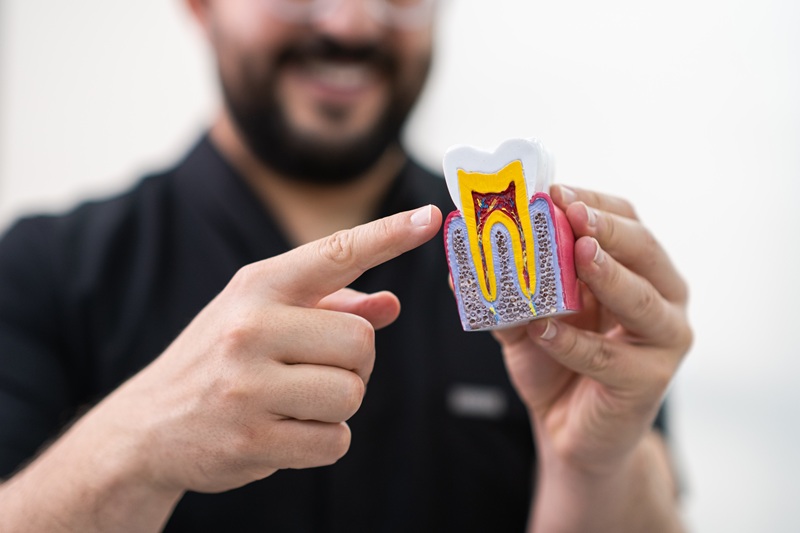
Inside every tooth is a soft tissue called the pulp. The pulp contains nerves and blood vessels that make the tooth alive. When it becomes infected or inflamed, treatment is needed to save the structure of the tooth.
Common infected tooth pulp symptoms may include:
- Ongoing tooth pain
- Sensitivity to hot or cold that lingers
- Swelling around the gum
- Tenderness when biting
- Darkening of the tooth
Sometimes, an infection can lead to a tooth abscess. This is a pocket of infection that can develop at the tip of the tooth root or in the gum near the tooth. Some tooth abscess signs may include swelling, pus, or severe pain.
If left untreated, the infection can spread and cause further complications. This is the time when a root canal treatment specialist may recommend you a treatment.
Root Canal Treatment Stages
The root canal treatment stages are usually completed over one or more visits, depending on your situation.
Here is what typically happens.
Stage 1: Examination and Preparation
First, your dentist will examine the tooth and take X-rays. This helps confirm the infection and check the root shape.
Once you are cleared for the procedure, a local anaesthetic for root canal treatment is given to numb the area. This helps keep you comfortable during the procedure.
Once the tooth is numb, a small opening is made in the top of the tooth to reach the pulp.
Stage 2: Cleaning and Shaping Root Canals
Next comes one of the most important root canal procedure steps, which is removing the infected pulp.
Your dentist carefully cleans out the inside of the tooth. This process is known as cleaning and shaping root canals.
In this stage, small instruments will be used to:
- Remove infected tissue
- Shape the root canals
- Disinfect the area
This step is important as it helps reduce bacteria and prepare the space for filling.
Stage 3: Root Canal Filling
Once the inside of the tooth is clean and dry, it needs to be sealed.
The canals are filled with a rubber-like material called gutta-percha. This is often referred to as a root canal filling (gutta-percha).
The filling helps seal the space and reduce the risk of future infection. In some cases, a temporary filling after root canal treatment may be placed if the tooth needs further restoration at a later visit.
Stage 4: Crown After Root Canal Treatment
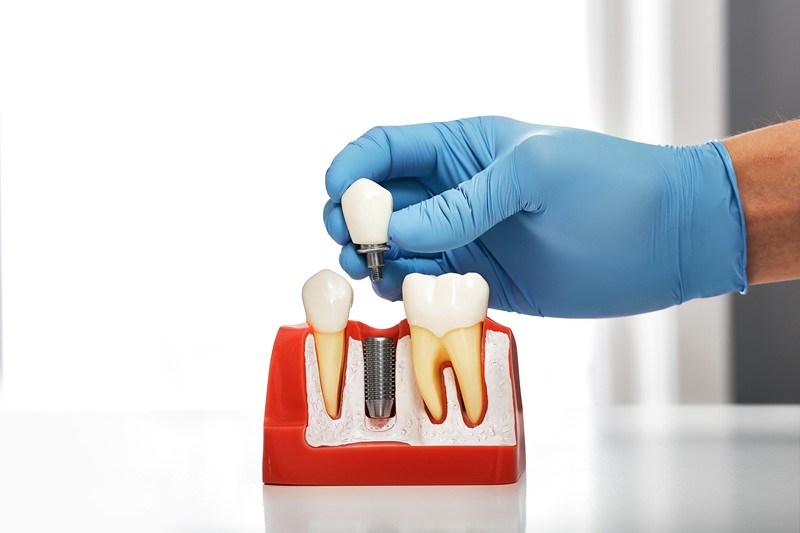
After the root canal is complete, the tooth may become weaker than before. To protect it, a crown after root canal treatment is often recommended by the dentist.
The function of the crown is to cover the tooth and help restore its strength and function. However, there are some cases where a crown is no longer necessary. Your dentist will discuss further during your consultation whether this is suitable for your case.
What About Recovery After Root Canal Treatment?
Most patients are able to return to normal activities soon after treatment.
Some mild tenderness may happen, but this will only last for a few days and is typically normal. This is part of root canal recovery and aftercare.
After your treatment, you can expect:
- Mild discomfort when biting for a few days
- The need to avoid chewing hard foods on the treated side
- A follow-up visit (if a crown after root canal treatment is planned)
- Clear instructions from your dentist on how to care for the tooth
Your dentist may recommend these tips after your rooth canal treatment is done:
- Avoiding hard foods on the treated side
- Taking pain relief as advised
- Maintaining good oral hygiene
- Attending follow-up appointments
Over-the-counter pain relief may be recommended if needed. If you notice swelling, severe pain, or symptoms that worsen instead of improving, you should contact your dentist.
Saving Your Natural Tooth
Tooth pain can be stressful, but you do not have to manage it alone. Root canal treatment is helpful to remove infection, relieve discomfort, and help save your tooth. However, it’s best to consult with a qualified dentist first before getting any treatment done.
If you are in Crows Nest or nearby suburbs looking for a qualified dentist to talk about root canal treatment, our team at My Solutions Dental Clinic is here to guide you through every stage with clear explanations and supportive care.
Book a consultation today to discuss your symptoms and learn whether root canal treatment is right for you.
Frequently Asked Questions
What is root canal treatment?
Root canal treatment is a procedure used to treat infection or damage inside a tooth. It removes the infected pulp, cleans the inside of the tooth, seals it to prevent further infection, and helps protect the natural tooth from removal.
Why is root canal treatment needed?
Root canal treatment is needed when the pulp inside a tooth becomes infected or inflamed. Symptoms may include ongoing tooth pain, sensitivity to hot or cold, swelling around the gum, tenderness when biting, or darkening of the tooth. If left untreated, the infection may lead to a tooth abscess.
What are the stages of root canal treatment?
The root canal treatment stages usually include:
- Examination and X-rays
- Local anaesthetic to numb the area
- Cleaning and shaping the root canals
- Root canal filling with gutta-percha
- Placement of a crown if needed
The treatment may take one or more visits, depending on your case.
Is a crown always needed after root canal treatment?
A crown after root canal treatment is often recommended because the tooth may become weaker after the procedure. The crown helps protect and restore the tooth’s strength and function. However, your dentist will assess whether a crown is necessary in your situation.
What should I expect after root canal treatment?
After root canal treatment, most patients can return to normal activities. Mild tenderness for a few days is common. You may need to avoid chewing hard foods on the treated side and attend a follow-up visit if a crown is planned. If swelling or severe pain occurs, you should contact your dentist.
Disclaimer: The information written in this blog is general in nature and should not replace personalised dental advice. Please speak with a qualified dentist for an assessment.