
Most people only think about the dentist once something hurts. But the real value of dental care happens long before that point, in the regular, low-key visits that catch problems while they’re still small.
That’s the whole idea behind preventive dentistry. It’s not about fixing what’s broken. It’s about stopping small issues from ever becoming big, expensive ones.
Here’s what preventive dental care actually involves, how often you need it, and why it matters more than most people realise.
What Is Considered Preventive Dental Care?
So what is considered preventive dental care, exactly? In simple terms, it’s any dental visit or habit aimed at stopping problems before they start, rather than treating damage that’s already occurred.
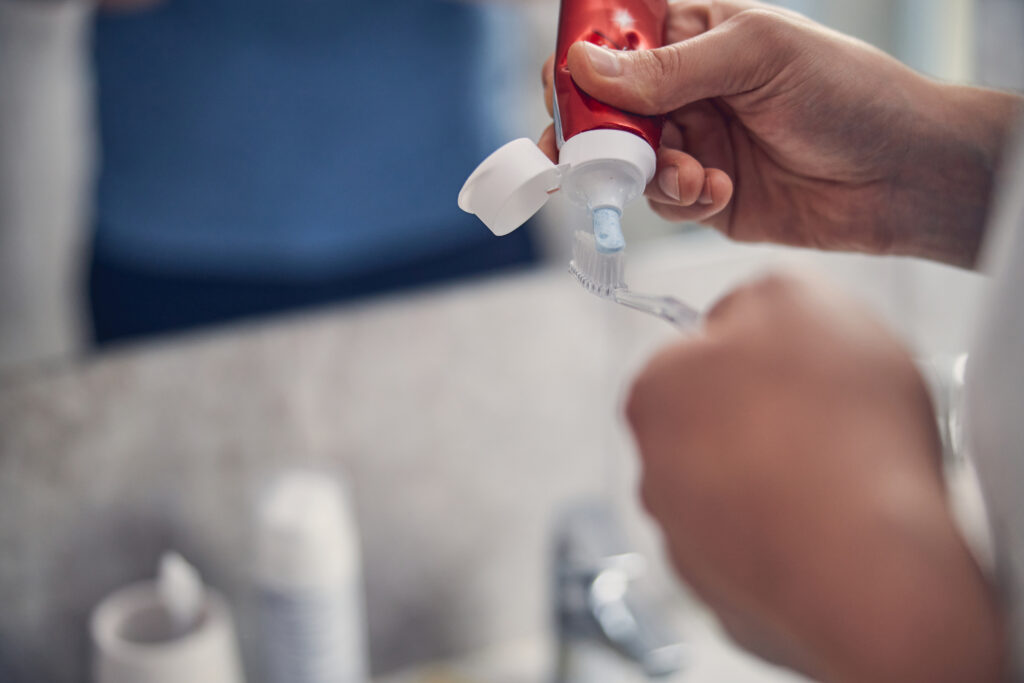
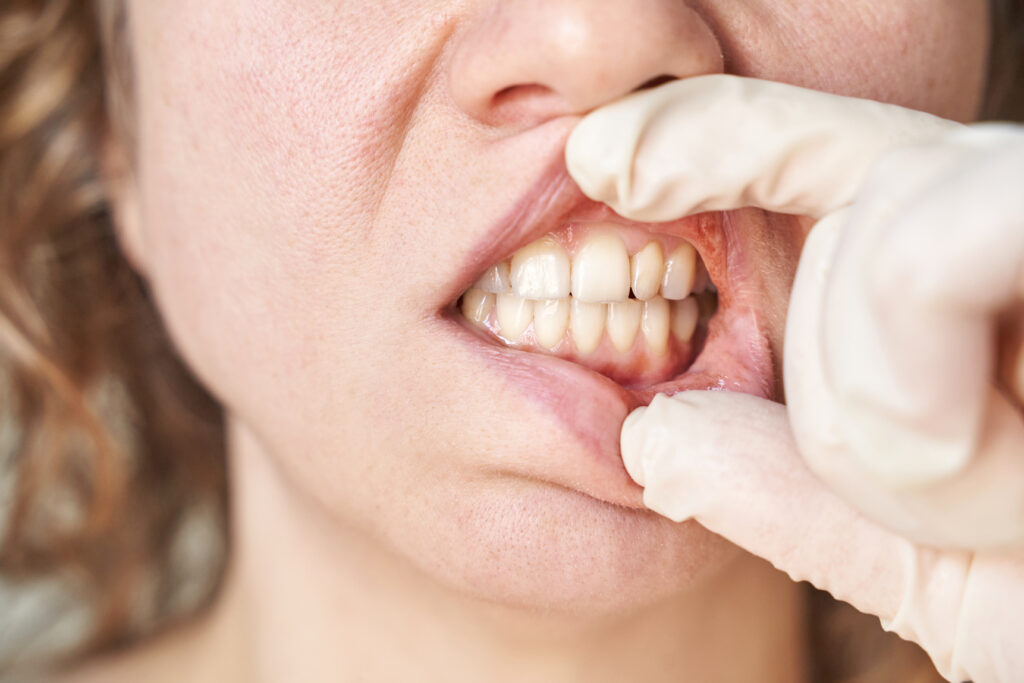
This covers everything from your daily brushing and flossing routine to the professional care you get from a preventive care dentist. According to healthdirect, a proper dental check-up involves a thorough examination of your teeth, gums, lips, tongue, mouth, and saliva, not just a quick look for cavities.
Preventive dentistry sits quite in contrast to restorative or emergency dentistry, which deals with problems after they’ve already developed, like a cracked tooth or an infection. Prevention is about never getting to that point in the first place.
What Does a Preventive Dentistry Appointment Actually Include?
A typical dental hygiene appointment with a preventive dentist covers more ground than most people expect. Depending on your age and needs, it might include:
- A routine dental checkup, examining your teeth, gums, and soft tissue for early signs of trouble
- Teeth cleaning and scaling, removing plaque and tartar that a toothbrush can’t reach
- Fluoride treatment for adults, which helps strengthen enamel and reduce sensitivity
- Dental sealants for children, a thin protective coating applied to back teeth to block decay-causing bacteria from settling into the grooves
- An oral cancer screening, a simple visual and physical check of the mouth and throat that takes just a few minutes
Each part plays a different role, but together they build a fuller picture of your oral health than home care alone ever could.
How Preventive Dentistry Helps With Plaque and Decay
Dental plaque prevention is at the heart of most dental diseases. Plaque is a sticky film of bacteria that forms on your teeth constantly, and if it is not removed, it hardens into tartar, which only a dentist can remove.
Some sensible tooth decay prevention tips we already know include brushing twice daily with fluoride toothpaste, flossing once a day, and cutting back on snacking between meals so your saliva has a chance to neutralise the acids that erode enamel. But even the best home routine leaves some plaque behind in hard-to-reach spots, which is where professional cleaning steps in.
Gum disease prevention works the same way. Early gum inflammation, called gingivitis, is reversible with good hygiene and a professional clean. When left untreated, it can progress to a more serious form that damages the bone supporting your teeth, so catching it early through dental prevention makes a real difference long-term.
How Often Should You Visit a Preventive Care Dentist?
A common question people ask is simply how often you should visit the dentist. Most preventive dentists recommend a check-up and clean every six to twelve months, though this can vary depending on your individual risk factors, such as a history of decay, gum disease, or smoking.
Seeing a preventive dentist regularly, rather than waiting until pain sets in, means problems are usually caught when they’re still simple and inexpensive to treat. A small area of early decay might just need a small filling.
When you leave them unchecked for a year or two, it can progress to needing a root canal or extraction instead.
Is Teeth Cleaning Covered by Medicare in Australia?
This is one of the most common questions patients ask, and it’s worth clearing up. Is teeth cleaning covered by Medicare in Australia?
For most adults, the answer is no. According to healthdirect, most dental care in Australia isn’t covered by Medicare, and routine cleaning, examinations, and fluoride treatment are generally paid for privately or through private health insurance extras.
There are exceptions. Eligible children aged up to 17 can access basic dental services through the Child Dental Benefits Schedule, and some state-based public dental schemes support eligible low-income adults. Data from the Australian Institute of Health and Welfare shows that in 2021–22, the median out-of-pocket gap for a preventive dental clean was just $19, which is a modest cost relative to what treating advanced decay or gum disease can involve later on.
Looking for Preventive Dentistry Near You?
If you’ve been searching for preventive dentistry near me, the most important thing is finding a practice you feel comfortable returning to regularly, since consistency is what makes prevention effective. A dentist who takes time to explain what they’re seeing, rather than rushing through the appointment, makes it far easier to stay on top of your oral health long-term.
Small, Regular Visits Make the Biggest Difference
Preventive dentistry isn’t complicated. It’s simply the combination of good daily habits and regular professional care that stops small problems from becoming big ones. A check-up that finds nothing wrong isn’t a wasted visit. That’s the whole point.
If it’s been a while since your last visit, a routine check-up and clean is a straightforward place to start. Our team at MySolutions Dental Clinic is here to help keep your oral health thriving.
Book a consultation for a better understanding of your teeth and gums.
Disclaimer: The information written in this blog is general in nature and should not replace personalised dental advice. Please speak with a qualified dentist for an assessment.
Frequently Asked Questions
How often should I get a dental check-up?
Most people benefit from a check-up and clean every six to twelve months, though your dentist may recommend more frequent visits depending on your individual risk factors.
Does Medicare cover routine dental cleaning for adults?
Generally, no. Most adult dental care, including routine cleaning, is not covered by Medicare and is paid privately or through health fund extras. Some exceptions exist for eligible children and certain public dental programs.
What’s the difference between preventive and restorative dentistry?
Preventive dentistry focuses on stopping problems before they start, like check-ups and cleaning. Restorative dentistry treats damage that’s already occurred, such as fillings, crowns, or root canals.
Are dental sealants only for children?
Sealants are most commonly used on children’s back teeth as they come through, since these teeth are most prone to decay. Some adults may also benefit, depending on their individual risk.
Is a check-up still worth it if my teeth feel fine?
Yes. Many dental problems, including early decay and gum disease, don’t cause pain until they’ve progressed. Regular check-ups catch these issues while they’re still simple to treat.