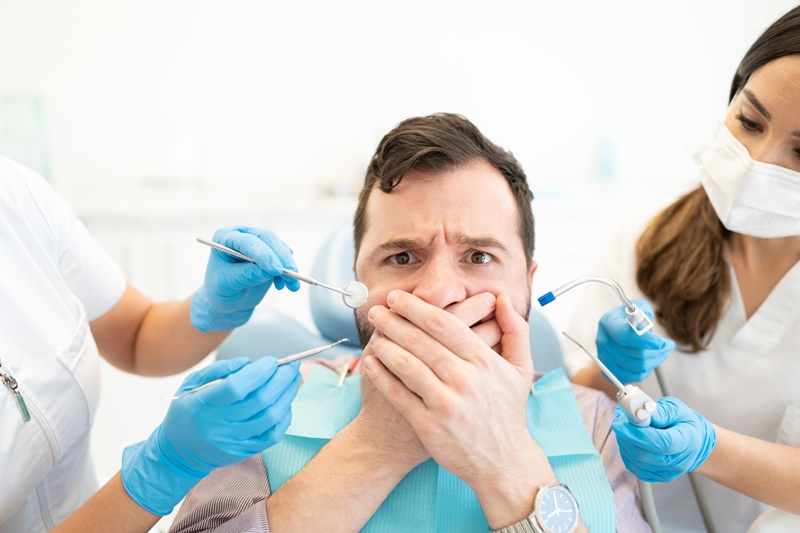


A twinge of pain when you sip or bite something cold is not just annoying. This is your teeth telling you something.
Sensitive teeth are one of the most common dental complaints, affecting people of all ages, and while sensitivity is rarely a dental emergency, it’s still worth paying attention to.
It can affect one tooth or several, it may also come and go, or may settle in as a constant background discomfort. Here’s what causes sensitive teeth, what actually helps in the moment, and when it’s time to book a check-up.
What Causes Sensitive Teeth?
So why are my teeth sensitive in the first place?
Sensitivity happens when the protective layers of your tooth wear down or pull back, exposing the softer layer underneath called dentin. Dentin is full of tiny tubes that lead straight to the nerve inside your tooth, so once it’s exposed, hot, cold, sweet, or even cold air can trigger a sharp, short jolt of pain.
This is sometimes called dentinal hypersensitivity.
Common causes include:
- Enamel erosion from acidic food and drinks, or brushing too hard with a firm-bristled brush
- Receding gums causing tooth pain, which exposes the sensitive root surface
- Bruxism and tooth sensitivity — grinding or clenching your teeth, especially overnight, which gradually wears down enamel
- Cracked or chipped teeth, where the crack lets stimuli reach the nerve more directly
- Recent dental work, such as a filling, crown, or whitening treatment, which can cause temporary sensitivity while the tooth settles
- Tooth decay, which can expose dentin from the inside as it progresses
Sensitive Teeth All of a Sudden? Here’s What It Might Mean
If your teeth were fine last week and now every cold drink makes you wince, sudden sensitivity usually points to something specific rather than general wear and tear. It could mean a new cavity is forming, a tooth has cracked, an existing filling has failed, or gum recession has progressed further than you realised.
A sinus infection can also cause sensitivity across your upper back teeth, since the sinuses sit close to the tooth roots. Sudden changes are always worth getting checked, because they usually mean something has changed with the tooth itself rather than just general sensitivity building up over time.
Is Your Teeth Sensitive to Cold, Hot, or Sweet?
If you’re wondering why your teeth are sensitive to cold, hot or sweet, the type of trigger can be a useful clue. Teeth sensitive to cold are the most common presentation and usually point to exposed dentin.
Sensitivity to heat, on the other hand, can sometimes suggest a deeper issue involving the nerve itself, and is worth mentioning to your dentist specifically. Sweet foods can trigger pain because sugar draws fluid through the exposed dentin tubes, reaching the nerve underneath.
As a general guide, sharp pain that fades quickly once the trigger is removed is more likely to be manageable, while pain that lingers for some time afterwards is more of a warning sign that shouldn’t be ignored.
How to Stop Sensitive Teeth Pain Immediately
While you wait for your appointment, a few simple steps can take the edge off:
- Rinse gently with lukewarm salt water to soothe the area
- Avoid very hot, cold, or sugary food and drinks for a few days
- Switch to a soft-bristled toothbrush and ease up on pressure when brushing
- Try a desensitising toothpaste containing potassium nitrate, applied consistently as directed on the packaging
- Chew on the opposite side of your mouth if one tooth is the main trigger
These steps can calm things down day to day, but they manage the symptom rather than the cause, so think of them as a bridge to your appointment rather than a long-term solution.
Treatment for Sensitive Teeth
Treatment for sensitive teeth depends entirely on what’s causing it, which is why a proper assessment with a dentist matters. Your dentist might recommend:
- In-chair fluoride treatment for sensitive teeth, which helps strengthen enamel and reduce nerve sensitivity
- A protective coating or bonding applied directly over exposed dentin
- A custom-made splint if grinding or clenching is the underlying cause
- Gum treatment if recession is exposing the tooth roots
- A filling or crown if a crack, chip, or cavity is behind the pain
Treating the wrong cause won’t bring lasting relief, which is why identifying what’s actually going on is the first and most important step.
Home Remedies for Sensitive Teeth: What Actually Helps
Home remedies for sensitive teeth may genuinely help day to day. However, they work best alongside a dental check-up rather than instead of one
Reasonable first steps:
- Use a desensitising toothpaste
- Switch to a soft-bristled brush
- Cut back on acidic foods and drinks
If sensitivity doesn’t improve after two weeks of consistent home care, or it’s getting worse, there’s likely an underlying cause that home care alone will not fix. Just keep in mind that if sensitivity doesn’t improve after a couple of weeks of consistent home care, or if it’s getting worse, this usually means there’s an underlying cause that home remedies alone won’t resolve.
That said, it’s best to consult with a dental provider about it to know the best solution for your teeth.
Don’t Let Sensitivity Hold You Back
You shouldn’t have to think twice before enjoying a coffee or an ice-cold drink on a hot day. If sensitive teeth have become part of your routine, maybe some general dentistry services may help you out.
Talk to our team at MySolutions Dental Clinic to guide and help you with what to do about your dental health. If you’re in Crow’s Nest, NSW, we can help you find out what’s behind your tooth sensitivity and the most suitable way to manage it.
Book a consultation with us today to get to know more about your case.
Frequently Asked Questions
Can teeth sensitivity be cured permanently?
It depends on the cause. Sensitivity linked to a treatable issue, like a cavity or a cracked tooth, often resolves once that’s fixed. Sensitivity from general enamel wear or gum recession can usually be well managed, though it may need ongoing care.
What foods trigger sensitive teeth?
Cold drinks, ice cream, hot tea or coffee, and sugary or acidic foods are the most common triggers.
Is tooth sensitivity a sign of a bigger problem?
Sometimes. Sudden or worsening sensitivity can point to a cavity, crack, or gum issue that needs attention, so it’s worth getting checked rather than waiting it out.
How long does treatment for sensitive teeth take?
Simple treatments like fluoride application can be done in a single visit. Addressing an underlying cause, like a filling or splint, may take a bit longer depending on what’s needed.