

You have probably noticed your little one reaching for their thumb at naptime, or whenever they feel unsettled. It is a familiar habit, and for most young children, a completely natural one.
But as a parent, it is reasonable to wonder: at what point does thumb sucking start to affect their teeth?
This is one of the most common questions that comes up in children’s dentistry. The reassuring answer is that, in most cases, thumb sucking in early childhood is not a cause for concern. However, the timing and intensity of the habit do matter when it comes to your child’s dental development.
Let’s explore what the research tells us, when parents should pay closer attention, and how a children’s dentist can help guide you through it.
What Is Thumb Sucking and Why Do Children Do It?
Thumb sucking is a natural self-soothing behaviour that many children develop from infancy; some may even begin in the womb. It provides comfort and helps little ones feel calm and secure.
For most children, this habit fades on its own between the ages of two and four. It is only when the habit continues beyond a certain age, or is particularly intense, that it may begin to affect how the teeth and jaw develop. According to Better Health Channel, prolonged thumb sucking after the permanent teeth begin to emerge is the point at which dental impact becomes more likely.
How Can Thumb Sucking Affect Teeth?
The main concern with prolonged thumb sucking is the pressure it places on developing teeth and the surrounding bone. Over time, this can influence how the teeth grow and how the jaws align.
Some effects that may be seen with persistent thumb sucking include:
- Changes to the front teeth — the upper front teeth may begin to tip outward, while the lower front teeth may lean inward
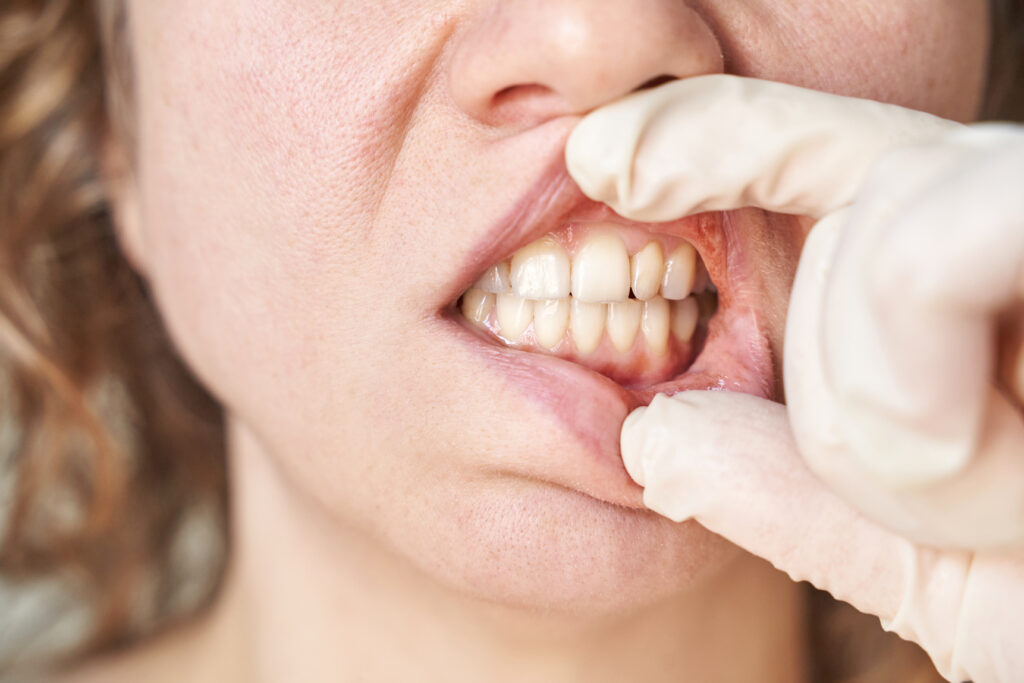
- Open bite — a gap that forms between the upper and lower front teeth when the mouth is closed
- Narrowing of the upper jaw — which can affect bite alignment and, in some cases, breathing
- Changes to the roof of the mouth — repeated suction pressure may alter the shape of the palate over time
It is worth noting that not all thumb sucking leads to these changes. The effects depend on how long the habit continues, how frequently it occurs, and how much force is used.
A child who passively rests their thumb in their mouth is less likely to experience significant changes than one who sucks vigorously.
When Should Parents Start to Be Concerned?
Most children’s dentists suggest that if thumb sucking continues after the age of four or five, it is worth discussing with your dentist. By this stage, the permanent teeth are preparing to erupt. If the habit is still active when the adult teeth begin to come through, there is a higher chance of it influencing their final position.
Here are some signs that it may be time to seek advice from a children’s dentist:
- Your child is still sucking their thumb past the age of four
- You notice the front teeth are beginning to protrude or separate
- Your child’s bite looks uneven or there is a visible gap when their mouth is closed
- The habit seems to be increasing in frequency rather than fading
- Your child is showing signs of speech difficulties, as a misaligned bite can sometimes affect how certain sounds are formed
It is also worth keeping in mind that some dental changes in children can go unnoticed for a while. This is one reason why regular dental check-ups are so valuable. A dentist can spot early shifts in tooth position or jaw alignment that may not be obvious at home.
What About Dummies?
Many parents ask whether a dummy, or a pacifier, is safer than thumb sucking. Both habits have a similar effect on dental development if they continue beyond the recommended age.
One advantage of a dummy is that it is easier to take away. Because it is an external object, weaning a child off a dummy may often be done more deliberately than breaking the thumb sucking habit. In either case, the earlier the habit stops, the better the outcome tends to be for the teeth.
How Can a Children’s Dentist Help?
If you are concerned about your child’s thumb-sucking habit, a visit to a children’s dentist is a sensible first step. A dentist who works with young patients can assess how the teeth and jaw are developing and give you a clearer picture of whether any changes are occurring.
Children’s dentistry is about far more than treating problems. It is also about monitoring development so that any concerns are caught early, before they become harder to address.
Depending on your child’s situation, your dentist may:
- Provide reassurance that development is tracking normally
- Offer practical, gentle strategies to help your child reduce the habit
- Refer you to a paediatric specialist or orthodontist if early intervention is recommended
The goal is always to support and guide your child in a calm, low-pressure way rather than to alarm them or make them feel self-conscious about the habit.
And if a dental concern does arise suddenly, such as a knocked-out tooth or a dental injury during play, it helps to know what counts as a dental emergency and when to seek urgent care.
When Should You See a Dentist?
If your child is under three and sucking their thumb, there is generally no immediate concern for the meantime. However, regular dental check-ups are still important at this age, as they help establish a positive relationship with dental care early on.
You should consider booking a specific consultation if:
- Your child is four or older, and the habit shows no sign of slowing
- You have noticed visible changes to their teeth or bite
- Your child’s dentist mentions something during a routine check-up
- You simply want peace of mind and a professional assessment
Early advice is always better than waiting until changes are more established.
Your Child’s Smile Is Worth Looking After Early
The early years of your child’s dental development set the foundation for their long-term oral health. Thumb sucking may seem like a small habit, but staying informed and knowing when to act means you can get ahead of any concerns before they become harder to manage.
If you have noticed changes in your child’s bite, or simply want reassurance from a professional, our team at MySolutions Dental Clinic is here to help. We offer children’s dental services to help you and your child be supported and guided.
Book a consultation with our team in Crows Nest to know more.
Frequently Asked Questions
When should a child stop thumb sucking?
Most children naturally stop between the ages of two and four. If the habit continues past four or five, when the permanent teeth are beginning to develop, it is worth raising with a children’s dentist.
Can thumb sucking permanently affect my child’s teeth?
It can, particularly if the habit persists once the permanent teeth start coming through. Effects may include protruding front teeth, an open bite, or changes to jaw alignment. When caught early, there is often room for the teeth to self-correct.
Is thumb sucking worse than using a dummy?
Both habits may affect dental development in similar ways if they continue past the recommended age. A dummy is generally easier to phase out, but the most important factor for either is stopping before the permanent teeth erupt.
What can I do to help my child stop thumb sucking?
Gentle, consistent approaches tend to work best. Try doing positive reinforcement, identifying triggers like tiredness or anxiety, and gradually reducing the habit over time. A children’s dentist can offer tailored strategies if it persists.
How does thumb sucking affect kids’ teeth and jaw development?
Repeated pressure from thumb sucking can cause the upper front teeth to tip outward, the lower teeth to lean inward, and in some cases create a gap between the upper and lower front teeth when the mouth is closed.
When should I take my child to a children’s dentist about thumb sucking?
If your child is four or older and the habit shows no sign of slowing, mention it at their next check-up. If you notice visible changes to their bite or tooth position, book a consultation sooner rather than later.